21 Cozy Home Decor Ideas for a Warm and Inviting Space
Introduction
Walking into a home that instantly feels warm, welcoming, and lived-in is one of life’s simple joys. If your living space currently feels a bit cold, sterile, or unfinished, you are certainly not alone. Many people struggle to create an inviting atmosphere without completely overhauling their furniture or spending a fortune. In my experience, turning a house into a comforting retreat doesn’t require a massive renovation budget. Discover 21 actionable cozy home decor ideas designed to help you layer rich textures, adjust soft lighting, and introduce organic warmth into every room. I’ve noticed that even the smallest styling tweaks—like swapping out harsh lighting or layering textured textiles—can dramatically elevate your everyday mood. Get ready to gather inspiration, save your favorite looks, and create a gorgeous, relaxing space you will truly love coming home to every single day.
Warm Layered Textiles
- Layering varied fabrics instantly creates depth and tactile warmth without adding messy physical clutter.
- Combining smooth linen with heavy knits makes standard seating feel customized and thoughtfully curated.
- Mixing contrasting materials prevents neutral color palettes from looking flat or visually uninteresting.
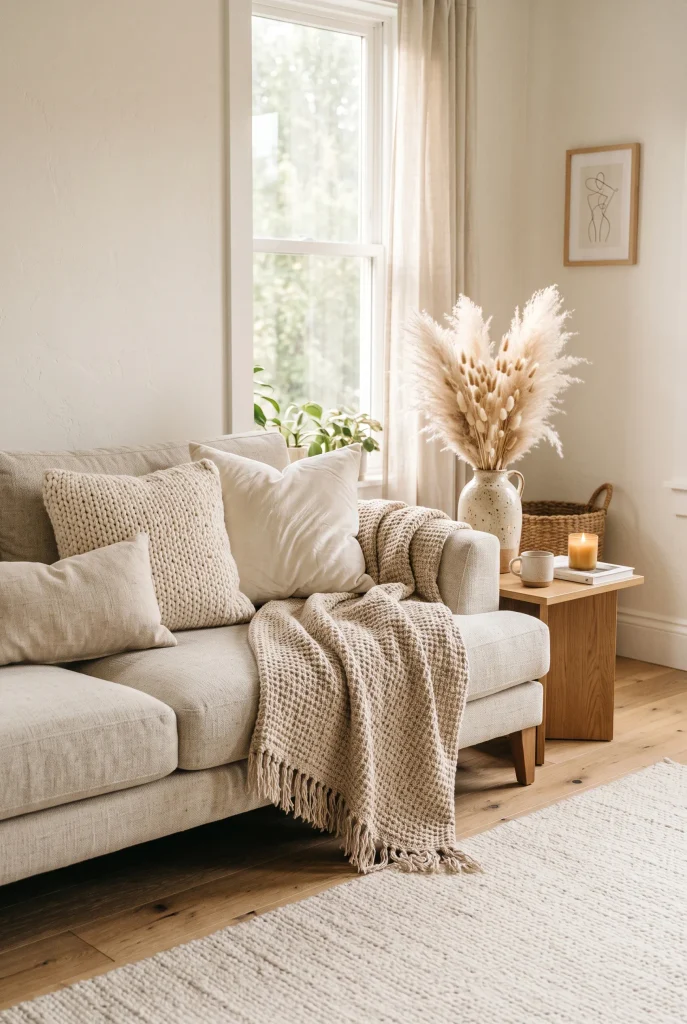
Dressing your seating area in varied fabric textures transforms a basic room into an inviting sanctuary. When you combine smooth cotton with chunky knits and plush velvet, the visual contrast immediately softens sharp lines and hard furniture edges. In my experience, focusing on tactile contrast rather than busy patterns creates a much more tranquil environment. You do not need to buy entirely new furniture to achieve this high-end look. Simply draping an oversized throw casually over a sofa corner while mixing pillow materials brings an effortless, lived-in comfort that makes family and guests want to stay longer.
Choosing the right color balance ensures your soft furnishings feel harmonious rather than overwhelming. Stick to a cohesive tonal palette like warm oatmeal, soft ivory, and gentle terracotta to keep the overall look tailored and serene. I’ve noticed that people often make the mistake of matching every pillow material exactly, which inadvertently leaves the space feeling stiff and formal. Instead, blend matte surfaces with richer woven accents to catch natural light differently throughout the day. This simple styling adjustment grounds your living room, making it feel deeply comfortable, beautifully balanced, and intentionally designed for everyday living.
Soft Ambient Lighting
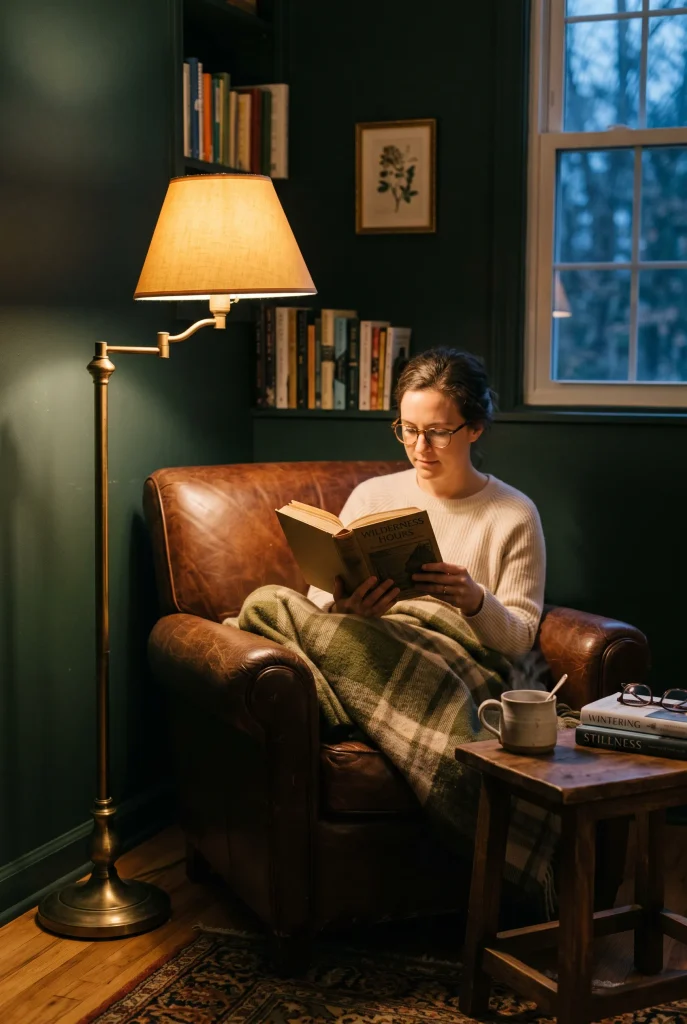
- Replacing harsh overhead bulbs with low-level lamps creates an instantly calming evening environment.
- Warm-toned light sources accentuate wood grain, soft fabrics, and warm wall colors beautifully.
- Positioned light points allow you to highlight specific architectural features or cozy corners easily.
Illumination shapes the mood of your home more dramatically than almost any physical decor piece. Switching off intense overhead fixtures in favor of scattered light sources creates a soothing, relaxed atmosphere perfect for unwinding. That’s why many designers recommend using warm-toned LED bulbs rated around 2700K to achieve a gentle golden glow throughout your living areas. Placing small lamps on sideboards, low shelves, or side tables diffuses light evenly across the room. This targeted approach eliminates harsh shadows while making modest spaces feel remarkably intimate, cozy, and thoughtfully tailored for quiet, restful evenings after long days.
Incorporating dimmers and secondary light sources gives you complete freedom to adapt your home’s ambiance to any occasion. Floor lamps positioned next to accent chairs define functional functional zones while adding subtle architectural height to flat corners. I’ve seen this work well in many homes where lighting was previously treated as purely utility rather than a core design element. By layering wall sconces, soft table lamps, and candle flame accents, you eliminate clinical brightness entirely. This layered setup highlights your room’s best features, offering a gentle background visual warmth that instantly puts everyone at ease.
Earthy Ceramic Accents
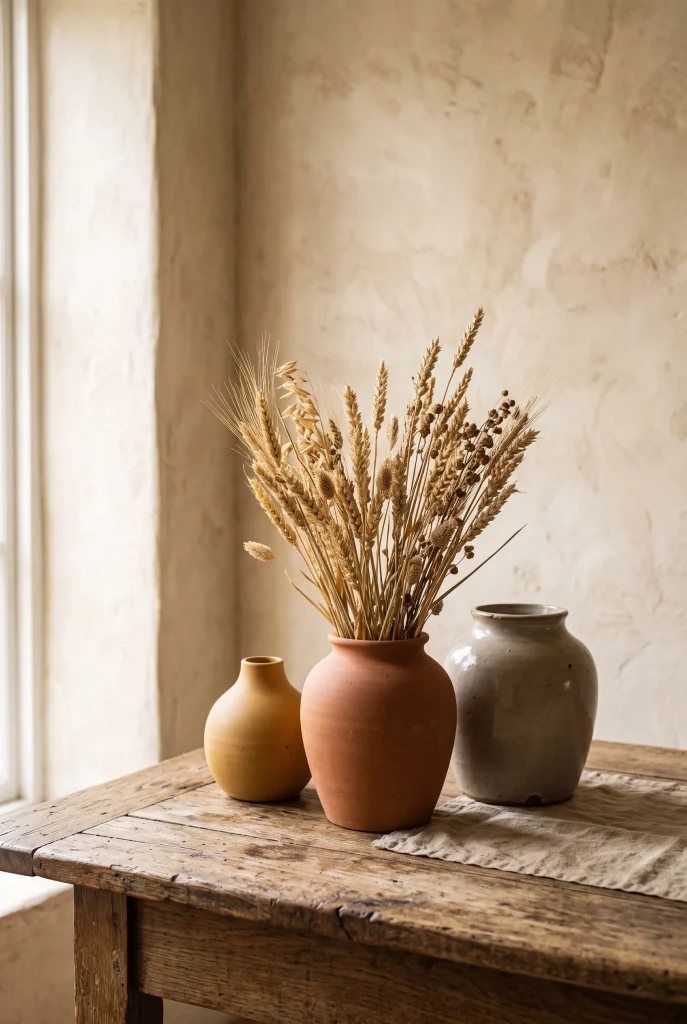
- Organic clay vessels add grounding texture and handcrafted warmth to smooth tabletop surfaces.
- Earth tones naturally complement foliage, dried florals, and natural wood furniture elements effortlessly.
- Grouping items in odd numbers creates an artistically balanced visual anchor for any room.
Introducing handcrafted stoneware and matte clay vessels brings an earthy, grounded soul to modern interior spaces. The slight imperfections and tactile surfaces of artisanal pottery contrast beautifully against sleek glass, painted walls, and polished metal. Placing a few sculpted vases on a mantelpiece or entry table immediately fixes cold, empty surfaces without creating unnecessary visual noise. I’ve noticed that earthy ceramic accents in terracotta, warm cream, and muted ochre bring an organic stability inside. They act as quiet art pieces that feel both timeless and intentionally chosen, instantly elevating your general home aesthetic effortlessly.
Styling ceramic pieces requires very little effort to produce a striking visual impact across your home. Grouping three vessels of varying heights creates a dynamic visual focal point that draws the eye naturally. You can leave these rustic containers empty to highlight their raw form or fill them with seasonal dried botanicals like eucalyptus and wheat stems. In my experience, mixing matte finishes with subtle reactive glazes adds rich visual interest without requiring bright colors. These subtle, nature-inspired elements bridge the gap between structure and comfort, giving any modern room an inviting, authentically crafted touch.
Natural Wood Elements
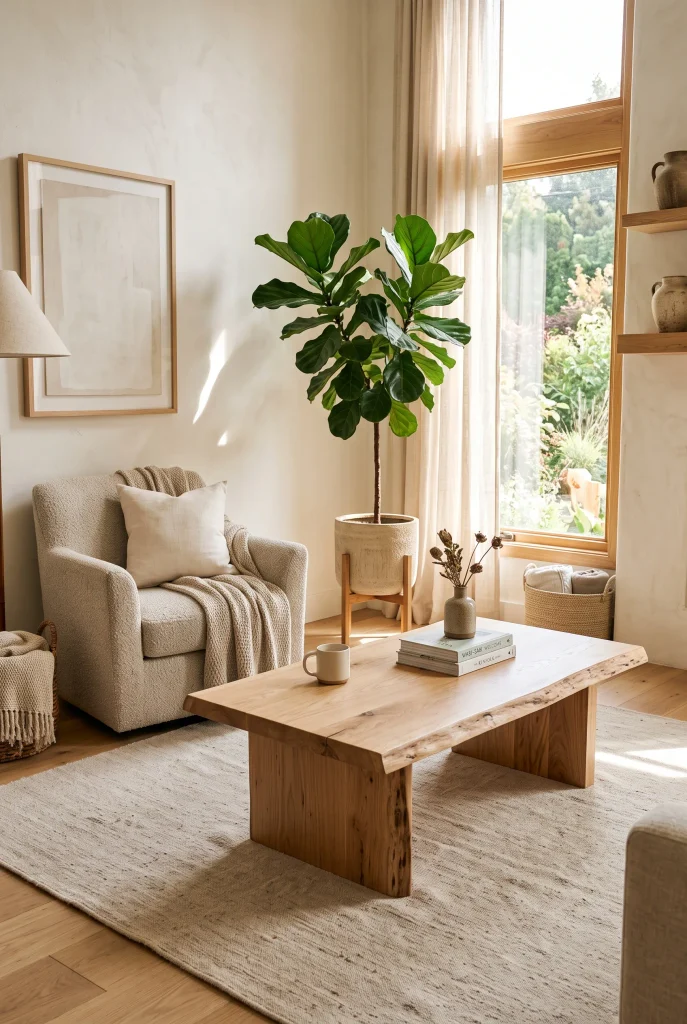
- Raw and unvarnished timber adds natural warmth and grounding balance to contemporary rooms.
- Organic wood grain variations bring unique visual character that synthetic materials cannot easily replicate.
- Incorporating wooden furnishings establishes an inviting link to nature right inside your home.
Bringing organic timber into your living space creates a deeply grounding atmosphere that immediately relaxes the senses. The visible wood grain, soft tactile surface, and rich natural tones bring character to modern homes that often feature cold surfaces. Integrating a raw-edge coffee table, wooden picture frames, or accent stool introduces essential warmth into neutral rooms. In my experience, mixing light oak, walnut, or pine pieces prevents a room from feeling overly uniform. This simple design choice connects your indoors with nature, infusing your environment with an enduring, organic comfort that feels both grounded and effortlessly stylish.
Arranging wooden accents thoughtfully helps build a balanced aesthetic that feels complete without appearing overly rustic. Pair smooth timber surfaces with soft woven fabrics like wool or linen to create a rich contrast of tactile textures. I’ve noticed that balancing hard organic surfaces with soft furnishings stops a room from feeling overly industrial or unfinished. Placing a warm wood console table in an entry hallway creates an immediate, welcoming impression for guests. These timeless elements age gracefully over time, acquiring a personal character that enhances your home’s cozy aesthetic and keeps your overall living space visually captivating.
Chunky Knit Throws
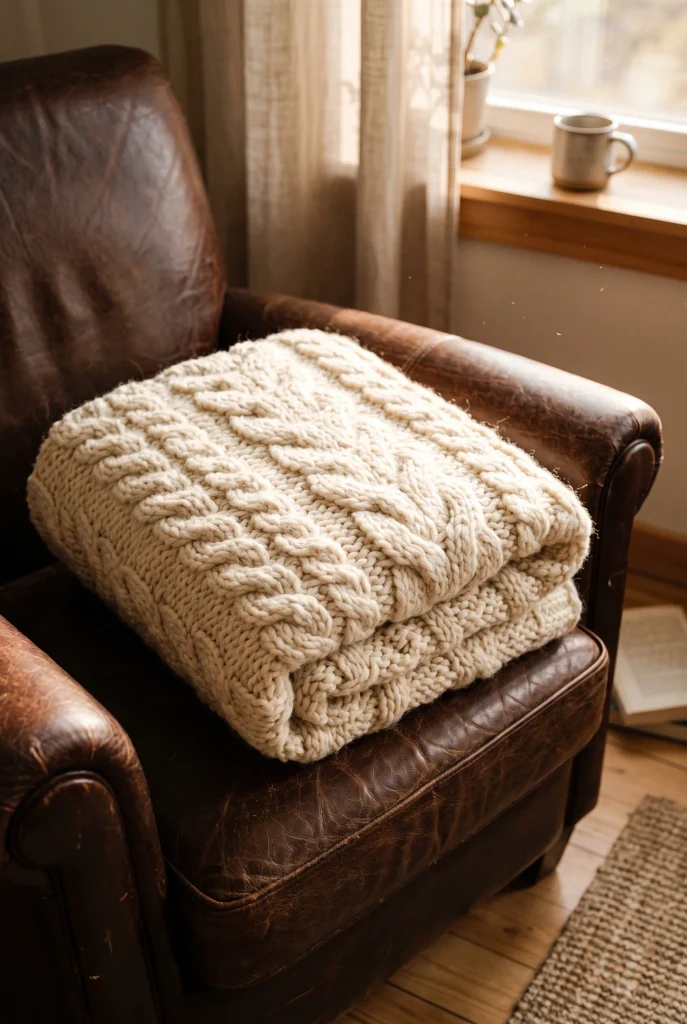
- Heavy knit blankets provide immediate physical warmth and visually inviting soft texture to seating.
- Draping a large knit throw over furniture breaks up rigid lines and sharp structural edges.
- Neutral knit fabrics complement various color palettes while maintaining a simple, timeless charm.
An oversized cable-knit throw blanket is one of the fastest ways to make any room feel instantly inviting. The thick, tactile yarn adds an undeniable sense of physical comfort while introducing rich visual depth to basic seating. Draping a chunky throw casually over an armchair corner or the end of a bed creates an approachable, lived-in feel. I’ve seen this work well in many homes where modern furniture felt a bit too rigid or sleek. The bold texture catches light beautifully, transforming plain furniture pieces into cozy central focus points you want to sink into.
Selecting the right color and scale for your knit blanket ensures it enhances your overall design scheme. Soft off-white, warm beige, or gentle grey shades blend effortlessly with existing decor, providing subtle contrast against darker upholstery. That’s why many designers recommend keeping heavy blankets loosely draped rather than tightly folded, preserving a relaxed and welcoming aesthetic. Whether tossed over a sofa arm or kept in an open basket, a chunky throw offers everyday practical warmth while visually softening your entire living room with minimal effort and maximum comfort for relaxing evenings.
Layered Area Rugs
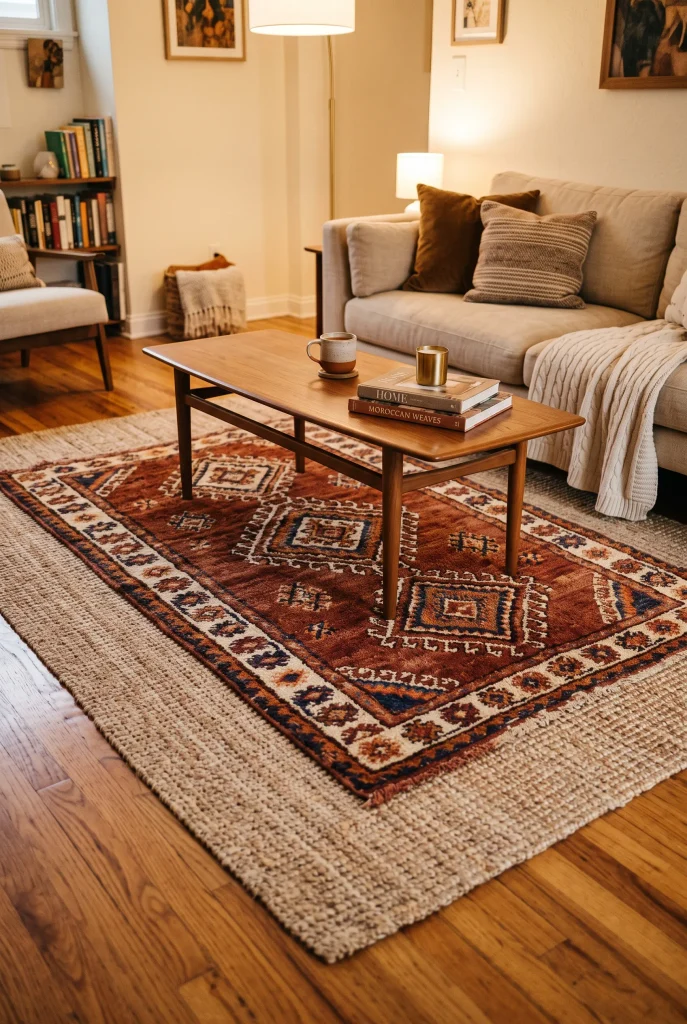
- Combining different rug textures defines living zones while adding double the underfoot comfort and warmth.
- Placing a patterned rug over a neutral base adds subtle visual interest without overwhelming the room.
- Layering carpets covers cold hardwood floors effectively, keeping rooms warmer during chillier seasons.
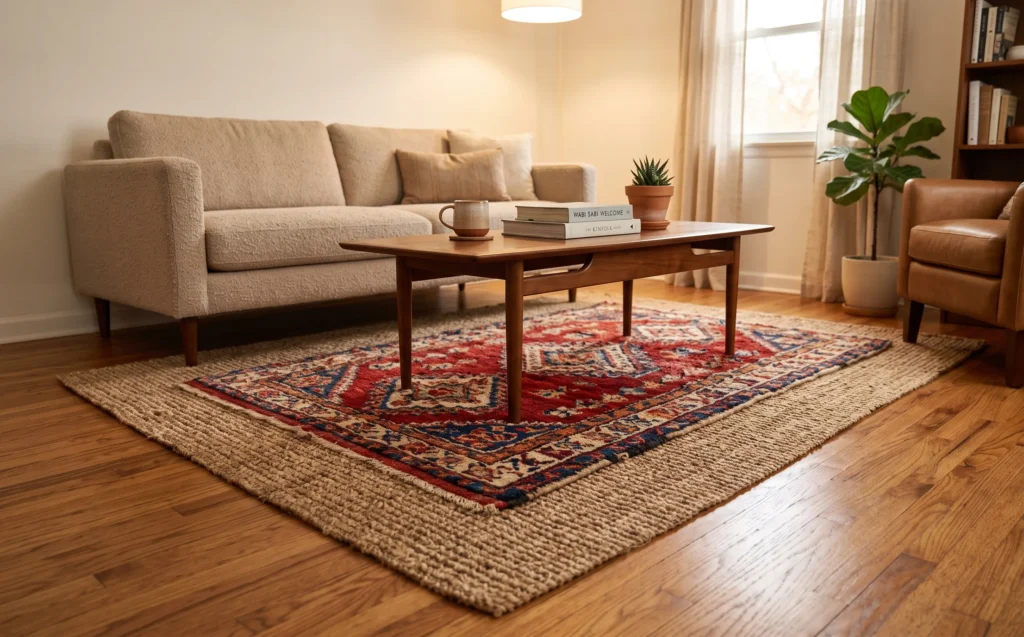
Layering area rugs on your floor is a clever technique to introduce rich texture, warmth, and visual structure. Placing a soft patterned carpet over a larger neutral base like jute or sisal defines functional zones within open-plan living spaces. This styling method adds an luxurious feel underfoot while protecting your flooring from daily wear. In my experience, pairing a textured natural fiber base with a vintage or plush accent rug anchors furniture arrangements beautifully. It prevents your room from feeling sparse, turning cold, wide flooring into an exceptionally comfortable foundation for your entire layout.
Executing this look successfully comes down to balancing materials, proportion, and complementary colors across both rugs. Ensure the bottom rug extends generously beyond your furniture edges, while the top rug adds a pop of pattern, color, or softness. I’ve noticed that this technique works exceptionally well in smaller rooms where a single large detailed rug might feel visually overwhelming. Choosing soft, complementary tones ensures the transition between fabrics looks intentional and cohesive. This practical floor styling strategy boosts room insulation while building a warm, multi-dimensional space perfect for daily living.
Warm Neutral Palette
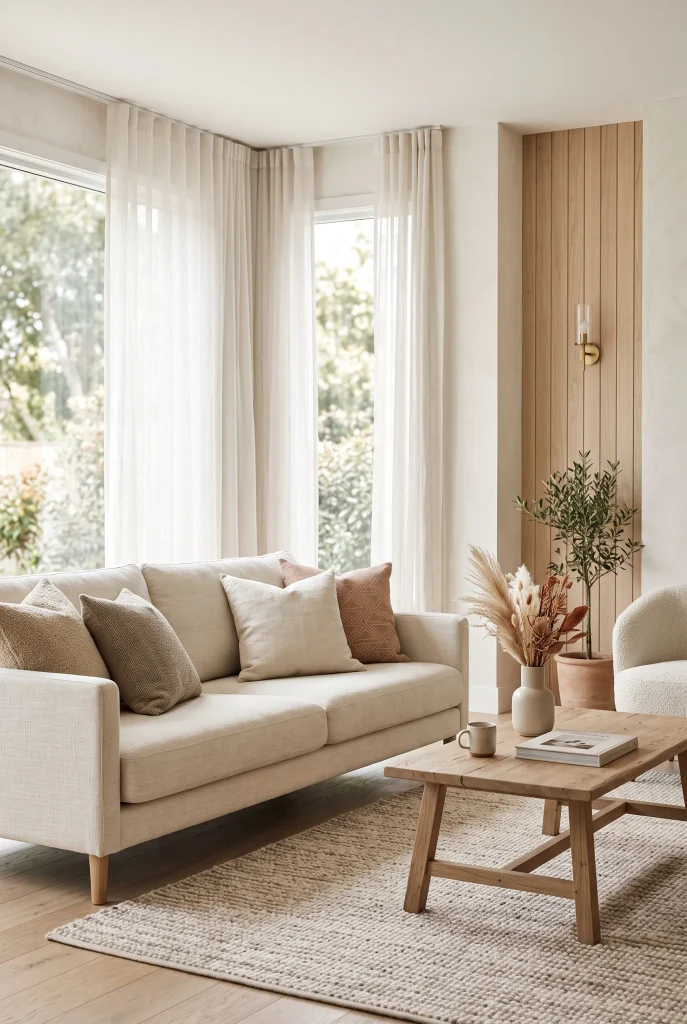
- Warm beige, ivory, and soft sand shades reflect light gently to make spaces feel bright and expansive.
- Neutral backgrounds allow seasonal decor, textured fabrics, and architectural features to stand out naturally.
- Cohesive monochromatic tones eliminate visual chaos, creating a peaceful and restorative home environment.
Establishing a foundation of warm neutral paint and textiles completely changes how a living space feels throughout the day. Moving away from stark, sterile whites in favor of soft almond, warm cream, and subtle taupe brings an immediate sense of quiet comfort. In my experience, these gentle undertones bounce natural light around the room, keeping cold shadows at bay even on overcast days. You do not need vibrant colors to make a memorable impression; layered neutrals create a sophisticated backdrop that highlights subtle textures, natural wood furniture, and artistic decor choices effortlessly across your main living zones.
Maintaining interest within a soft neutral color scheme relies heavily on varying your tonal depth and material choices. Combine smooth plaster walls with rich linen drapery, warm tan leather accents, and pale woven upholstery to ensure the space never feels bland. I’ve noticed that homes using continuous warm tones across adjacent rooms feel noticeably larger and more cohesive. This versatile baseline allows you to swap small decorative accents whenever seasons change without replacing your core furnishings. A warm neutral foundation establishes a timeless, soothing environment that genuinely feels like a relaxing retreat every single evening.
Vintage Brass Highlights
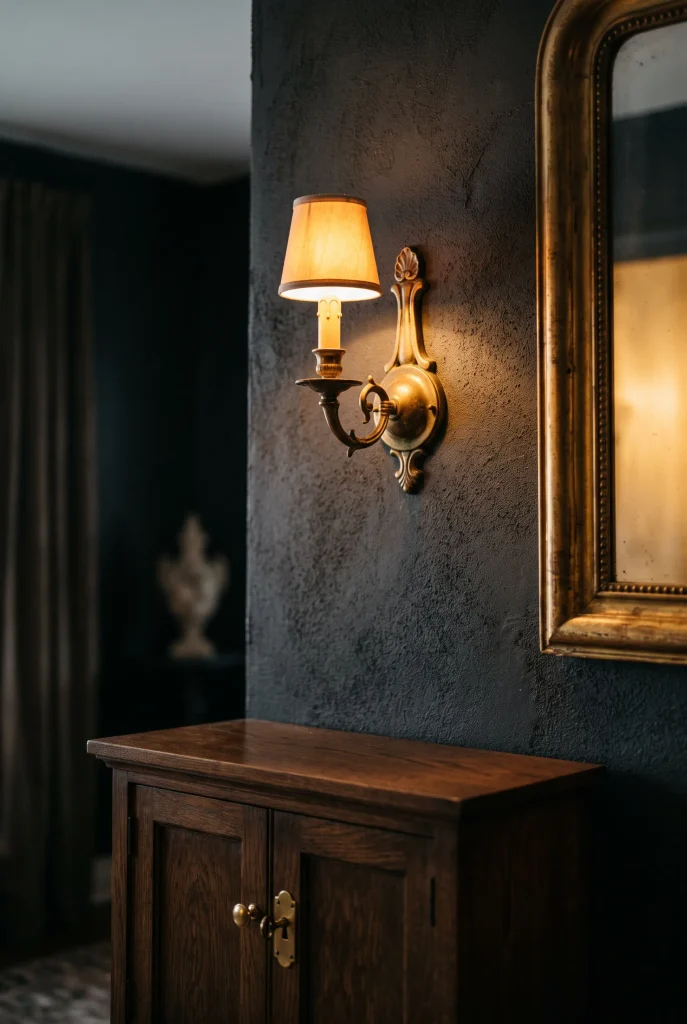
- Aged brass and muted gold metals infuse metallic warmth without looking overly bright or reflective.
- Patinated hardware brings historic character and an authentic sense of timeless craftsmanship indoors.
- Small metallic accents reflect low-level ambient light, adding subtle glints of visual richness at night.
Incorporating vintage brass elements into your home decor introduces an understated elegance that modern chrome often lacks. The warm, brushed finish of antique gold fixtures and aged brass handles catches light with a soft, inviting glow rather than a harsh shine. Replacing standard cabinet hardware, door knobs, or light switches with patinated metal pieces gives standard furniture a custom, high-end feel. That’s why many designers recommend mixing vintage metals with organic materials like wood and stone. These modest details act like jewelry for your home, providing subtle contrast that instantly enriches your overall interior setup.
Balancing brass elements throughout your room prevents the overall look from feeling overly formal or mismatched. Pair warm metallic accents with rich painted surfaces, dark timber furniture, or soft woven fabrics to create a beautifully grounded look. I’ve seen this work well in many homes where small changes, like adding an antique brass mirror or decorative candlesticks, completely transformed a dull entryway mantle. The gentle patina on aged metal tells a story of longevity and craft. These timeless accents elevate simple spaces, introducing a warm, reflective quality that makes rooms feel deeply inviting.
Soft Velvet Pillows
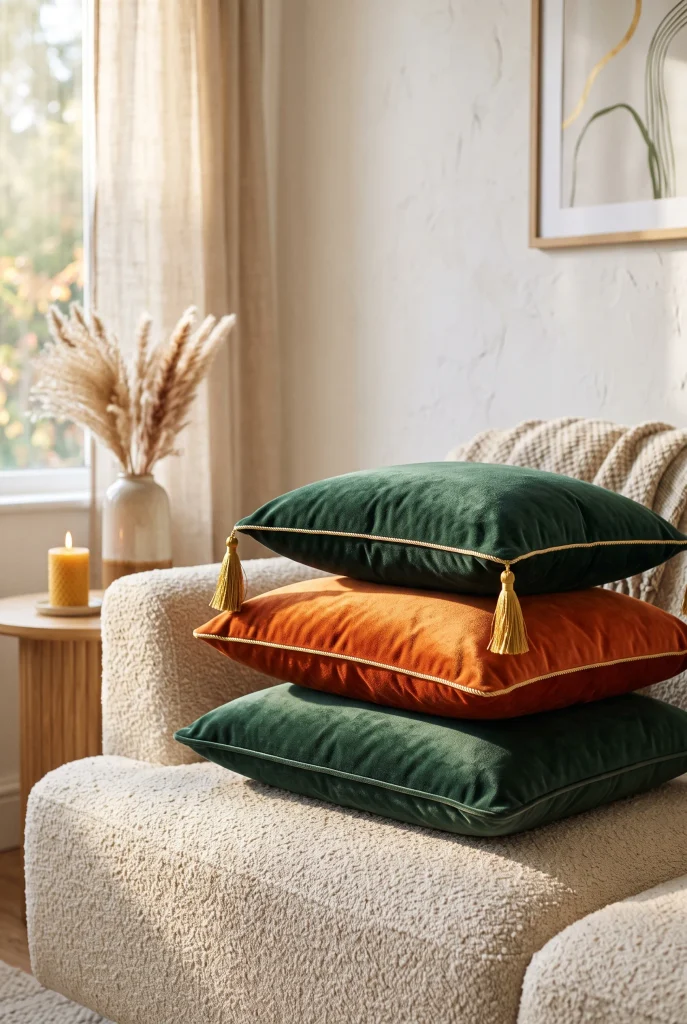
- Plush velvet cushions add dense, luxurious texture that catches directional lighting beautifully.
- Deep jewel tones in velvet fabric provide pops of rich color while retaining a warm, cozy feel.
- Soft upholstery materials offer comfortable physical support while enhancing the overall visual softness.
Placing plush velvet pillows on your seating instantly upgrades the comfort level and aesthetic appeal of your living area. The unique pile of velvet fabric absorbs and reflects light differently as the day progresses, creating an inviting depth that flat fabrics cannot match. Introducing rich shades like deep olive, rust terracotta, or warm amber brings sophisticated pops of color into neutral spaces. In my experience, swapping out smooth linen pillow covers for velvet options during cooler months is a simple seasonal refresh that makes your couch feel immensely softer, richer, and more welcoming.
Styling velvet cushions effectively involves mixing diverse shapes, contrasting sizes, and complementary fabric textures across your couch. Pair heavy velvet pillows alongside textured wool or rough linen throws to keep the arrangement from looking overly formal. I’ve noticed that combining solid velvet tones with subtle geometric patterns adds an artistic balance that draws people toward seating areas. The soft, tactile surface invites family members to sit back and relax immediately. These affordable upholstery upgrades provide an effortless way to introduce rich color, physical comfort, and visual luxury into everyday living spaces.
Soft Candlelight Glow
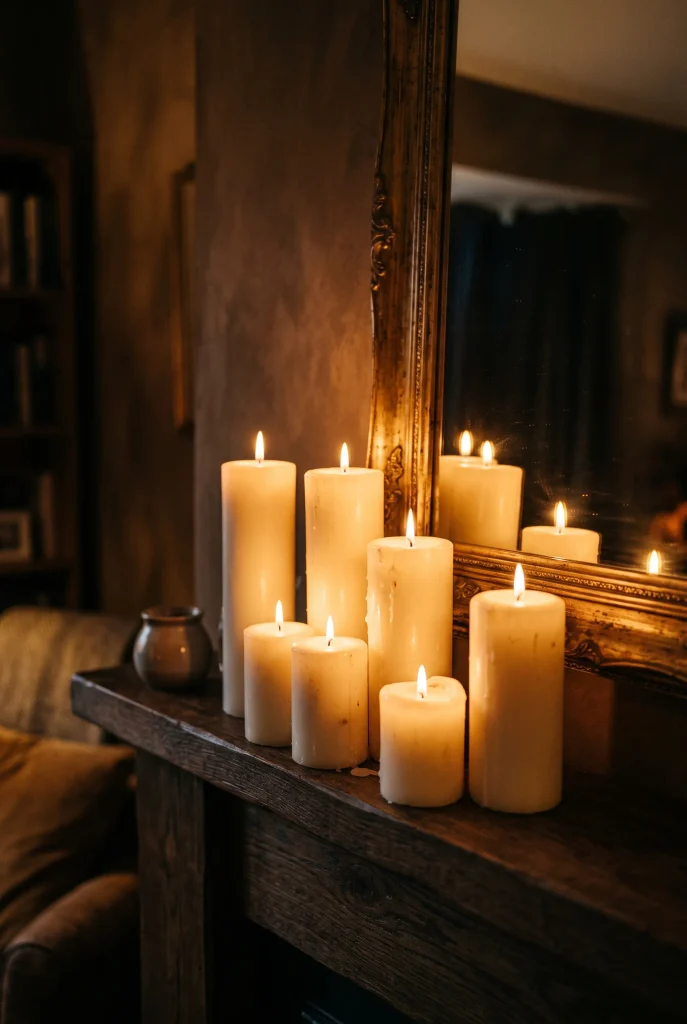
- Flickering candlelight adds an organic, motion-filled warmth that artificial light fixtures cannot fully replicate.
- Unscented pillar candles arranged on trays or mantles create a serene, hypnotic focal point instantly.
- Warm flame reflections soften room acoustics and visual edges, encouraging immediate relaxation after dark.
Adding flickering candles around your living room creates an intimate, peaceful ambiance that instantly eases evening stress. The gentle movement of real flame casts dynamic, soft shadows across walls, softening harsh structural lines and creating a deeply relaxing environment. Placing a cluster of unscented pillar candles on a rustic mantle, coffee table, or windowsill introduces an effortless touch of romance and calm. In my experience, lighting candles during dinner or late evening reading sessions creates a clear visual transition from a busy day to a restful night, making your home feel like a tranquil sanctuary.
Choosing various candle heights and grouping them thoughtfully enhances their visual impact without cluttering your surfaces. Set pillar candles inside glass hurricanes or arrange ceramic tapers on decorative brass holders to keep flames safe while adding subtle height. I’ve noticed that combining different candle vessel textures, like clear glass, matte pottery, and warm metal, reflects the dancing flames in visually captivating ways. This inexpensive decor strategy relies on simple natural elements to transform dull, quiet corners into glowing, cozy focal points that naturally invite people to slow down, relax, and gather together.
Plush Bouclé Furniture
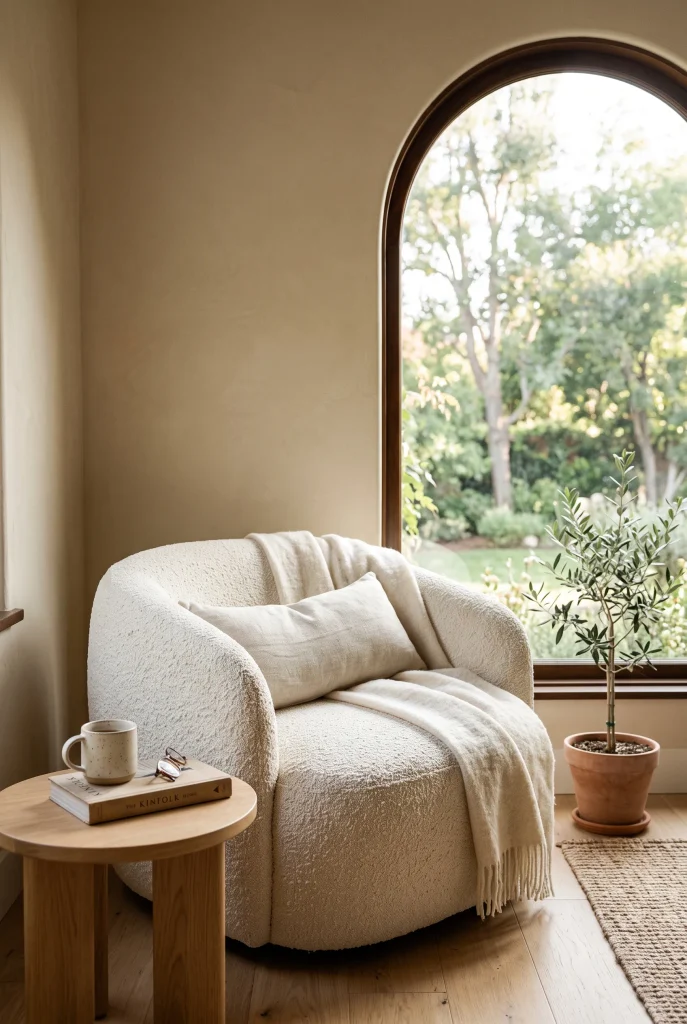
- Nubby bouclé fabric provides rich tactile interest that elevates simple furniture shapes effortlessly.
- Soft cream and oat shades in textured upholstery retain brightness while adding essential physical warmth.
- Curved bouclé seating introduces gentle organic forms that break up rigid rectangular room layouts.
Integrating plush bouclé furniture into your living area brings a luxurious, cloud-like texture that feels incredible to touch. The distinct looped yarn structure gives neutral armchairs, ottomans, and sofas a sculpted, three-dimensional presence that instantly catches the eye. Choosing a warm ivory or cream bouclé piece keeps your space looking airy, bright, and modern without feeling stark or sterile. In my experience, pairing a bouclé accent chair with a smooth wooden side table creates a striking visual contrast that brings a sense of high-end design into everyday, relaxed living spaces.
Maintaining the beauty of bouclé upholstery requires minimal effort while yielding long-term comfort and style across your home. The durable, tactile weave naturally hides minor wear, making it a functional choice for high-use seating areas in busy households. I’ve seen this work well in many homes where owners wanted to replace sleek, firm furniture with something significantly softer and more inviting. Adding a bouclé bench at the end of a bed or as extra living room seating establishes a cozy, contemporary feel that effortlessly harmonizes with surrounding natural elements.
Rustic Floating Shelves
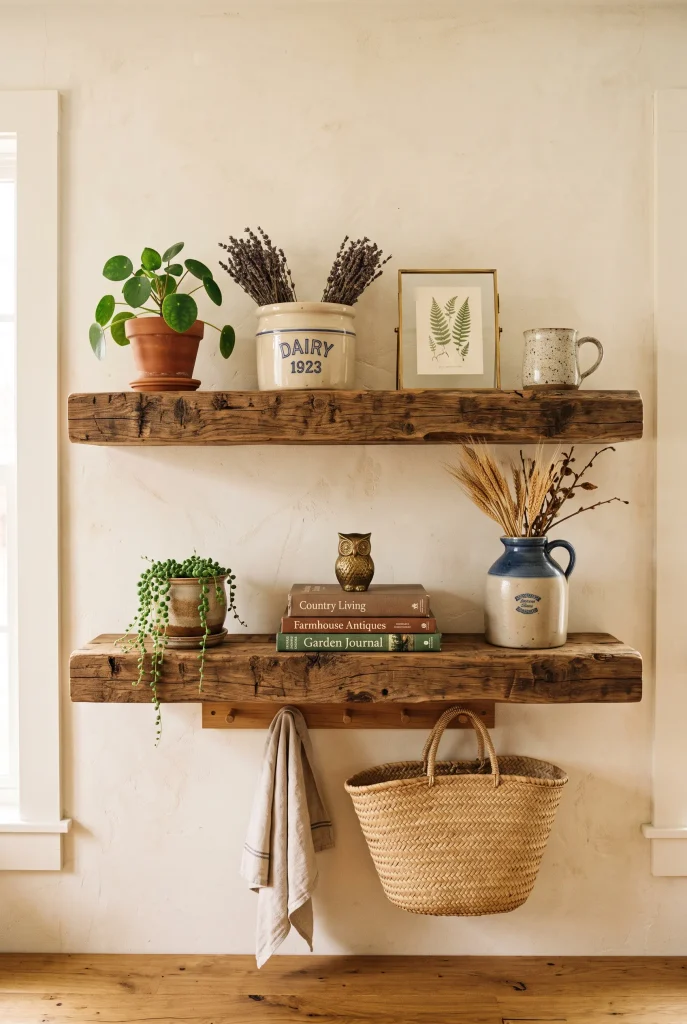
- Thick wooden shelves display cherished decor items while introducing rich natural timber tones vertically.
- Staggering decorative objects creates dynamic open storage that feels personal rather than clutter-filled.
- Open shelving frees up floor space while drawing the eye upward to expand room dimensions visually.
Mounting thick, raw-edge wood floating shelves introduces vertical character while providing a charming display space for your favorite treasures. Replacing sterile cabinetry with reclaimed timber displays breaks up flat wall surfaces, infusing empty spaces with rustic, historic warmth. Arranging ceramic crocks, small framed artwork, and trailing houseplants on open shelves gives your living room or kitchen an authentic, lived-in feel. In my experience, open timber shelving allows you to showcase personal stories through curated decor, transforming blank vertical walls into warm, visually engaging features that make your home unique.
Styling rustic wall shelves requires a balanced mix of heights, shapes, and textures to look intentional rather than cluttered. Leave subtle gaps between items and group decor in small clusters of three to allow each object to stand out. I’ve noticed that mixing functional everyday items like stoneware mugs with decorative elements like dried botanicals creates a wonderfully grounded, useful display. This easy wall modification adds functional depth, highlights organic materials, and keeps your living areas feeling open, organized, and filled with personal, cozy charm that reflects your lifestyle.
Warm Earthy Accent Walls
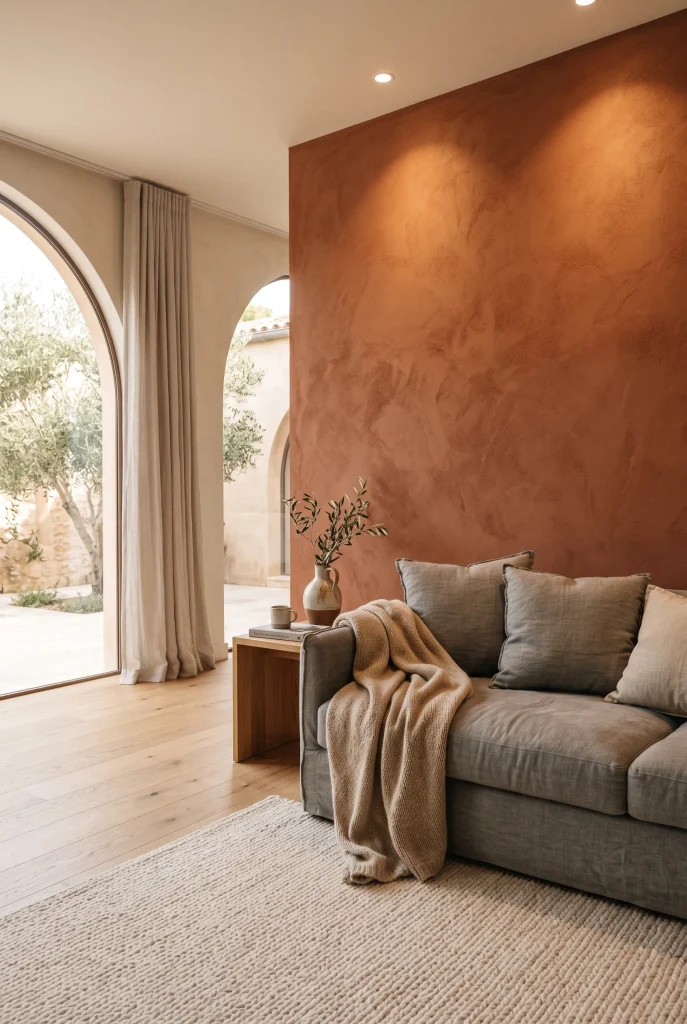
- Rich terracotta, ochre, or sage green wall shades instantly anchor a room with visual warmth.
- Textured wall finishes like limewash or Venetian plaster add depth to flat drywall surfaces easily.
- Creating a targeted feature wall draws the eye and defines functional seating zones naturally.
Applying a rich, warm paint color or textured finish to a central feature wall completely reshapes the energy of a room. Shifting away from cool grey tones toward terracotta, clay red, or deep warm olive creates a grounded backdrop that makes furniture pop. In my experience, choosing a limewash or mineral plaster paint adds a subtle, cloudy texture that catches natural light beautifully throughout the day. You do not need to paint an entire home to feel a big transformation; wrapping a single wall in a deep earthy shade gives the room a cozy, cocoon-like quality that immediately feels inviting.
Pairing your warm feature wall with complementary furnishings ensures the space feels balanced rather than dark or enclosed. Contrast deep painted backgrounds with lighter seating, pale natural wood furniture, and soft cream textiles to keep the room bright and balanced. I’ve noticed that warm accent walls work exceptionally well in rooms that lack interesting architectural features or receive limited natural sunlight. The rich color creates the illusion of architectural depth while providing a welcoming visual anchor. This simple update gives your living space an intentional, designer feel that turns blank walls into cozy works of art.
Soft Woven Baskets
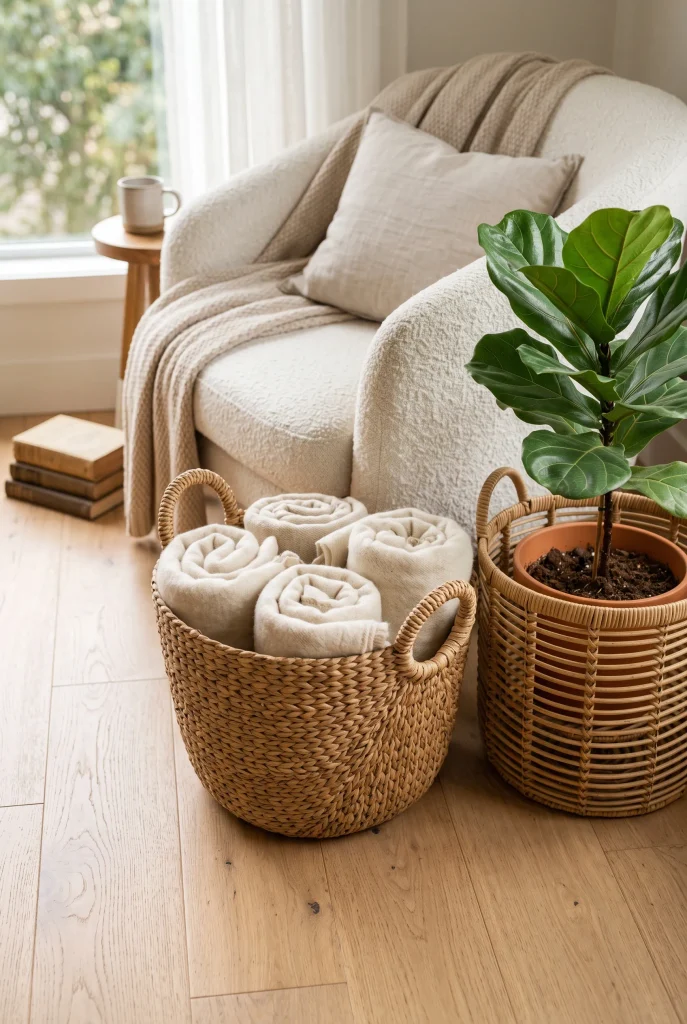
- Natural woven containers provide practical storage for extra throws while adding warm, organic textures.
- Rattan, jute, and seagrass materials break up sleek furniture lines with rustic, handcrafted character.
- Keeping extra linens accessible in open baskets encourages an approachable, comfortable atmosphere.
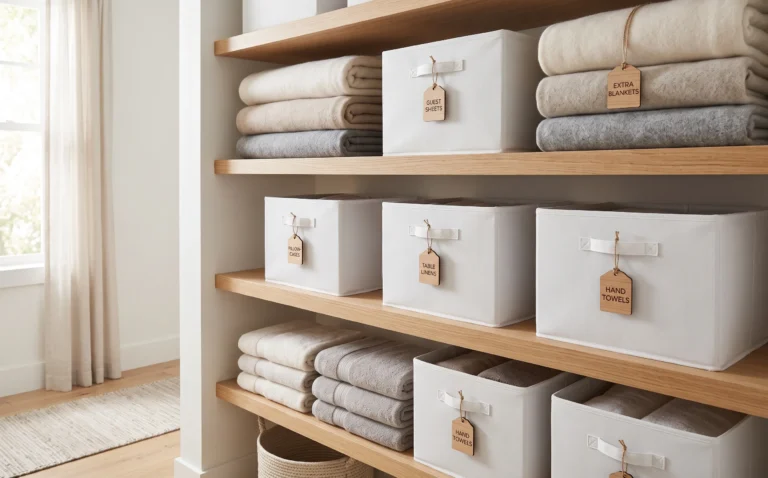
Using woven seagrass, rattan, and jute baskets throughout your home blends everyday practical organization with warm visual charm. Placing a couple of sturdy woven hampers next to your sofa or fireplace gives stray throw blankets, pillows, and magazines a stylish home. The natural fiber weave brings an artisanal, textured feel that instantly softens hard floor surfaces and sharp furniture edges. In my experience, swapping out synthetic plastic bins for handwoven baskets is one of the easiest design fixes to make a room look cleaner, warmer, and significantly more curated without spending a fortune.
Incorporating natural baskets into different rooms helps build a cohesive aesthetic that feels grounded and connected to nature. Use smaller woven containers on open shelves for organizing clutter, or place larger floor baskets with potted plants to add leafy height and organic texture. I’ve seen this work well in many homes where storage was desperately needed but bulky wooden cabinets would have felt too heavy for the space. These versatile woven pieces keep your everyday essentials neatly tucked away while enhancing your home’s cozy, lived-in aesthetic with zero effort.
Framed Personal Memories
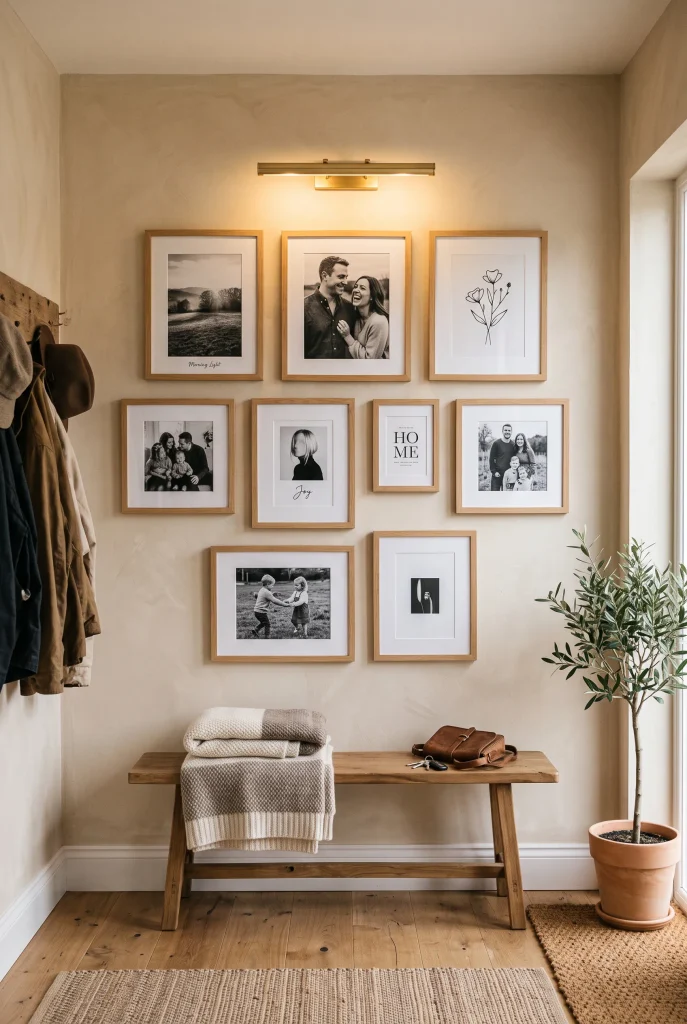
- Personal photographs and meaningful art prints transform standard house interiors into genuine, personal homes.
- Matching solid wood or vintage brass frames establishes a cohesive, curated look across gallery walls.
- Displaying cherished moments creates nostalgic warmth that instantly resonates with family and visiting guests.
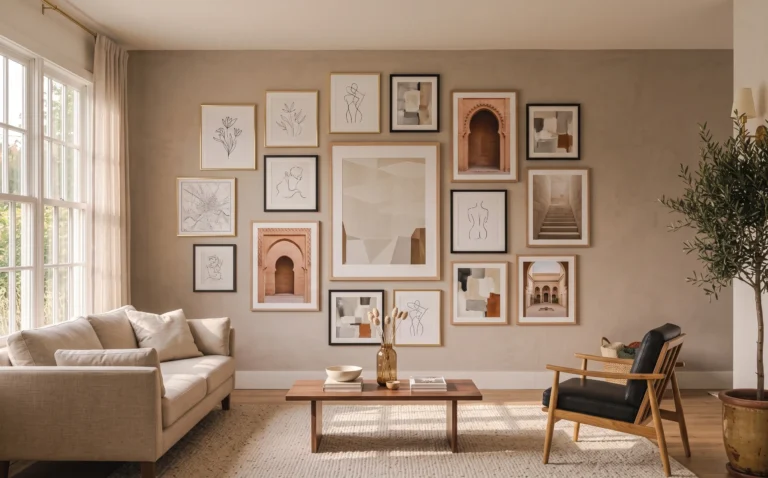
Decorating your walls with framed personal photographs, travel mementos, and meaningful artwork brings genuine soul and story into your home. A house feels truly cozy when the walls reflect the people who live inside rather than generic mass-produced art prints. Displaying black-and-white family portraits or simple black line art in warm wooden frames creates an engaging visual story along hallways or above sofas. In my experience, curating a thoughtful gallery wall serves as a daily reminder of happy moments, infusing your living environment with an authentic warmth that decor alone can never achieve.
Arranging framed memories successfully depends on keeping your frame styles, matting, and spacing consistent throughout the collection. Mix large single prints alongside smaller grouped photos, using warm wooden or aged brass frames to unify the overall display smoothly. I’ve noticed that hanging art slightly lower—closer to eye level or just above furniture—makes seating areas feel much more intimate and connected. This simple hanging adjustment prevents art from floating awkwardly on tall walls, creating a focused visual anchor that makes your home feel deeply personal, warm, and inviting to everyone.
Soft Sheer Drapes
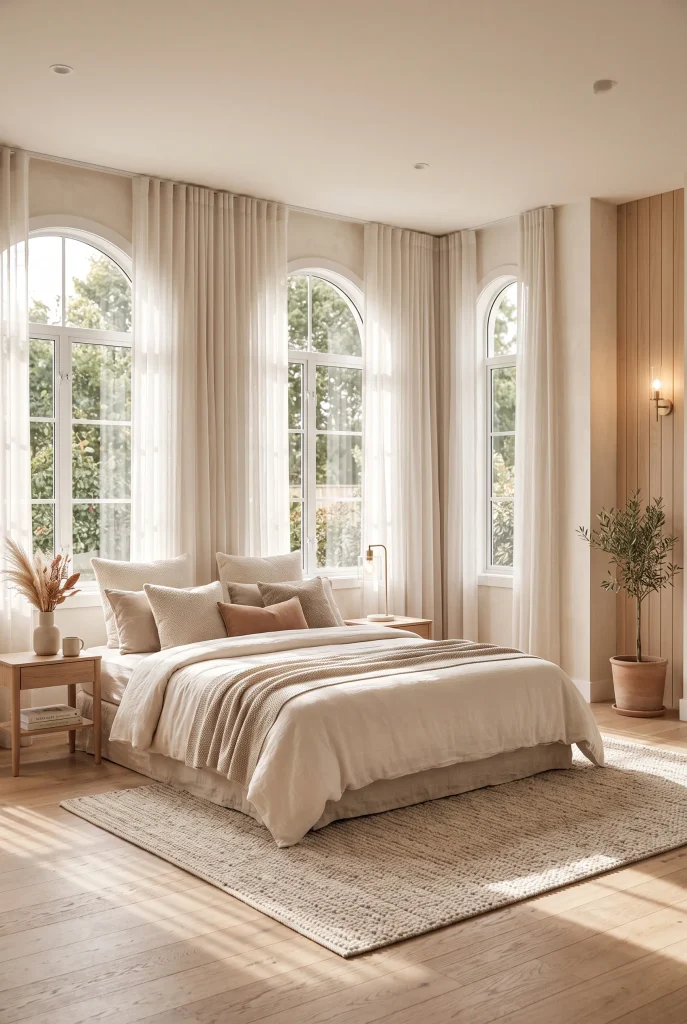
- Translucent fabrics gently diffuse harsh direct sunlight, creating a soft, ethereal glow throughout the day.
- Floor-length window treatments add vertical height and fluid motion to static, rectangular room architecture.
- Lightweight linens maintain privacy while keeping spaces feeling open, breezy, and effortlessly inviting.
Hanging light, translucent drapes transforms bright, glaring window light into a gentle, soothing glow that completely softens your room. Replacing heavy, rigid blinds with breezy floor-length sheer curtains allows natural light to filter through gently while maintaining comfortable privacy. In my experience, selecting off-white or soft oatmeal linen sheer drapes creates a breezy, relaxed feel that instantly elevates living rooms and bedrooms alike. The subtle movement of lightweight fabric whenever a breeze blows in adds a serene, living quality that makes any space feel peaceful and deeply restful.
Installing your curtain rods higher and wider than the actual window frame creates a striking visual illusion of taller ceilings and larger windows. Ensure the fabric brushes the floor lightly to create a relaxed, tailored drape rather than hovering awkwardly above the baseboards. I’ve noticed that pairing sheer drapes with warm wood or woven shades creates a sophisticated layered look that offers both light control and rich visual texture. This simple window upgrade softens cold glass panes, frame outlines, and sharp wall angles, enveloping your home in a soft, welcoming, and sunlit embrace.
Ambient Table Lamps
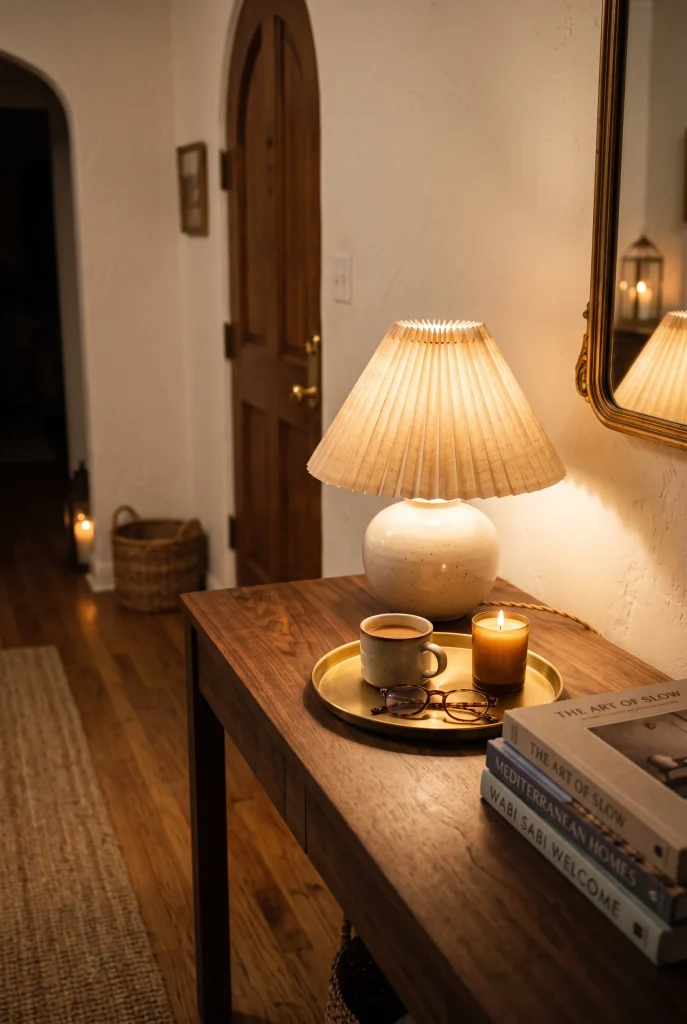
- Low-slung lamps produce warm, localized light pools that make large rooms feel cozy and intimate.
- Fabric or pleated lampshades filter bulb brightness into a soft, inviting glow without eye strain.
- Sculptural lamp bases double as attractive art objects on tables and sideboards during daytime hours.
Placing small table lamps on sideboards, consoles, and end tables creates cozy pockets of warm illumination across your home. The gentle glow from a fabric-shaded table lamp brings an immediate sense of calm that overhead lighting simply cannot match during dark evenings. Choosing lamp bases made of textured ceramic, warm wood, or patinated metal adds artistic character even when the light is turned off. In my experience, scattering three or four small lamps around a room establishes an inviting light balance that naturally draws people into cozy seating areas to relax.
Selecting the ideal lampshade material plays a massive role in shaping the warm atmosphere of your room. Pleated linen, thick cotton, or warm paper shades diffuse light gently, preventing harsh glare while casting a subtle, golden pool of light downward onto surfaces. I’ve seen this work well in many homes where previously dark, ignored corners were transformed into inviting reading nooks or serene display spots. Incorporating smart dimmable bulbs inside your table lamps gives you total control over night lighting, creating a relaxing home environment that adapts easily to quiet evenings or gatherings.
Layered Coffee Table
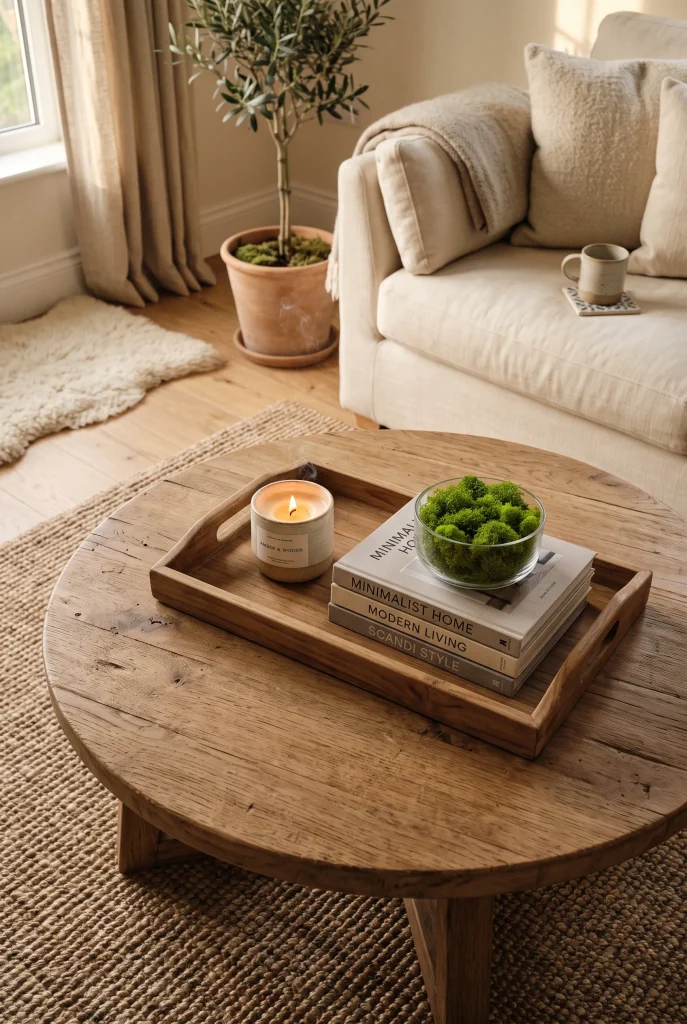
- Grouping decor on flat wooden trays keeps coffee table items styled, organized, and clutter-free.
- Combining items of varying heights and materials introduces subtle artistic interest to central seating areas.
- Organic elements like small plants, candles, and stone objects bring fresh life to tabletop surfaces.
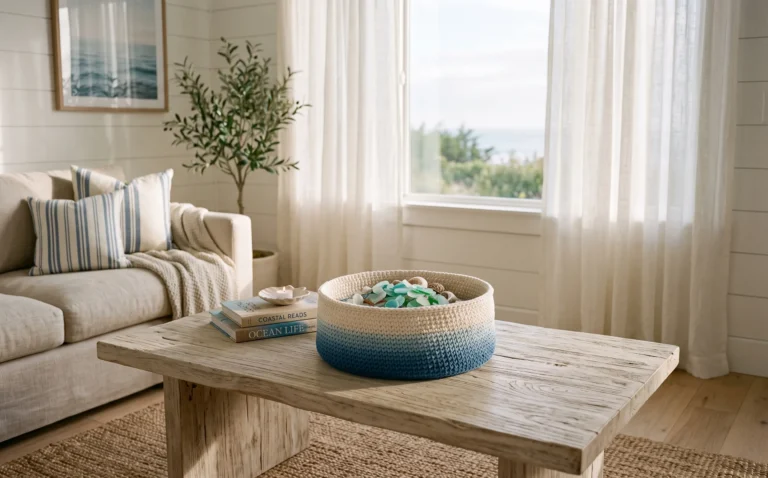
Styling your coffee table with layered, thoughtful decor transforms a functional piece of furniture into an engaging central highlight. Instead of leaving flat surfaces bare or covered in daily clutter, arrange a curated selection of books, small ceramic bowls, and scented candles. Using a shallow wooden or woven tray unifies these smaller objects, making the arrangement look intentional and neatly organized. In my experience, keeping your tabletop styling low ensures conversation flows freely across seating without blocking sightlines, while still adding rich texture and personal style to the room.
Creating a balanced coffee table arrangement relies on mixing contrasting textures, varying heights, and natural design elements. Pair smooth hardback book covers with a rough stone bowl, a small leafy plant, and a glowing ceramic candle. I’ve noticed that incorporating a touch of living greenery, such as fresh stems or a moss bowl, instantly brightens seating areas and adds visual freshness. This simple styling method breaks up flat furniture lines, introducing a cozy, lived-in touch that makes your central living room area feel curated, complete, and exceptionally welcoming to family and guests.
Earthy Terracotta Pots
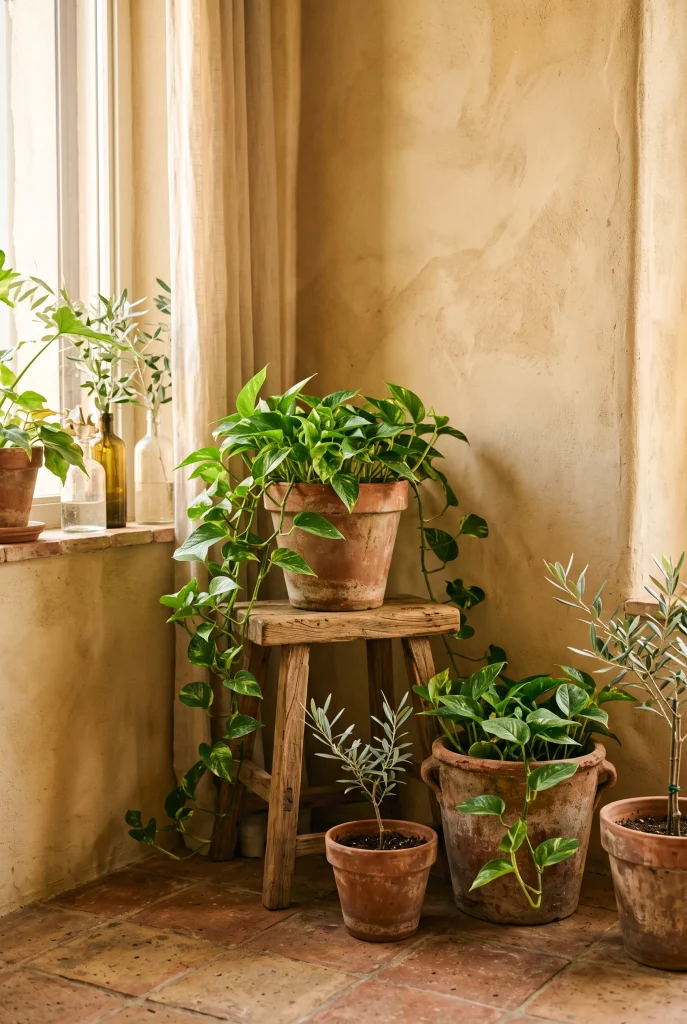
- Weathered clay pots introduce authentic rustic texture and rich warm orange tones to indoor plant displays.
- Porous ceramic materials naturally breathe, supporting healthier plant root systems while looking effortlessly stylish.
- Grouping clay vessels in varied sizes creates an organic, nature-inspired focal point on floor surfaces.
Integrating aged terracotta pots throughout your plant collection brings a wonderfully earthy, Mediterranean warmth into your interior space. The natural reddish-brown clay offers a rich, grounding contrast against vibrant green foliage, softening smooth painted walls and sleek modern flooring. In my experience, selecting matte or slightly patinated pots rather than shiny glazed options adds a time-worn, authentic character to your decor. Placing a cluster of clay planters near a sunny window or on a low bench establishes a vibrant, living accent that immediately makes your home feel grounded, relaxed, and connected to the outdoors.
Arranging terracotta planters of varying scales creates dynamic vertical height and visual texture within quiet corners. Combine tall floor pots containing olive trees alongside smaller vessels filled with trailing ivy or leafy ferns on nearby tables. I’ve noticed that the natural terracotta color harmonizes beautifully with warm wood tones, beige linen fabrics, and woven jute rugs. This simple botanical styling technique bridges the gap between natural elements and interior decor, infusing your living areas with a fresh, organic warmth that feels both timelessly classic and deeply comforting.
Soft Linen Bedding
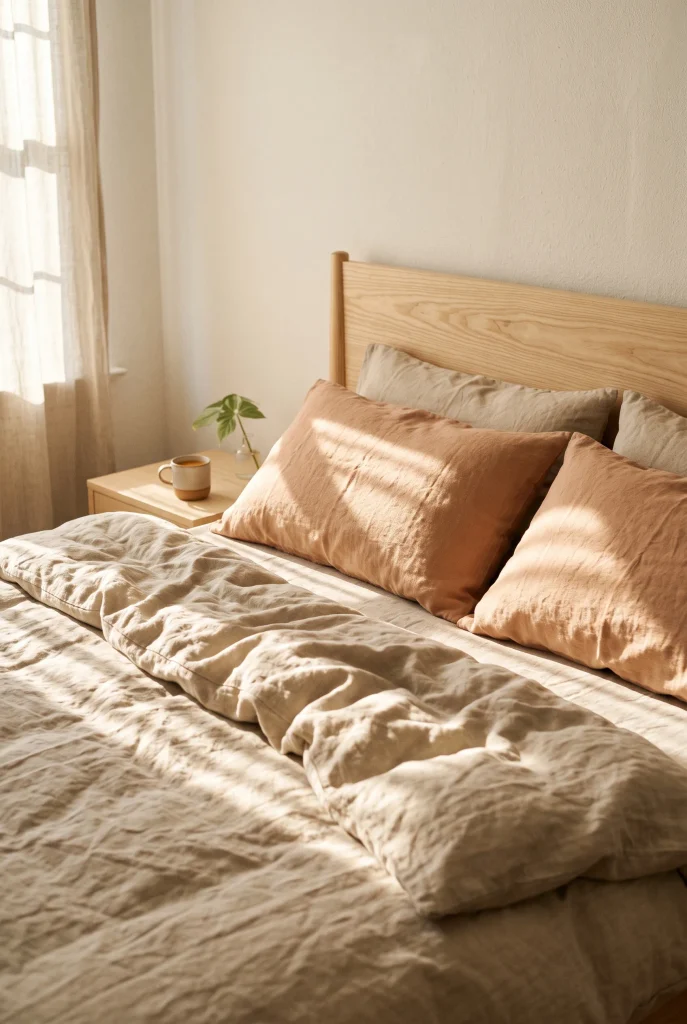
- Breathable linen fabric provides a relaxed, invitingly rumpled drape that looks comfortable without stiff ironing.
- Natural fabric wrinkles add tactile depth, making minimalist sleeping areas feel instantly softer and more welcoming.
- Earth-toned bedding sets absorb light gently, creating a quiet, restful sanctuary atmosphere for better sleep.
Dressing your bed in relaxed, high-quality linen creates an effortlessly luxurious look that practically invites you to dive in. Unlike crisp, stiff cotton sheets, washed linen possesses a soft, rumpled drape that gives sleeping spaces an approachable, lived-in comfort. In my experience, choosing muted natural colors like oatmeal, dusty rose, or warm stone brings a calming visual softness to your bedroom. The naturally breathable fibers keep you comfortable across changing seasons, making your bed look like a relaxing hotel sanctuary right inside your home every night.
Styling linen bedding relies on subtly layering complementary tones rather than matching every piece perfectly. Pair a neutral duvet cover with slightly darker accent pillows or a textured throw blanket folded loosely across the foot of the bed. I’ve seen this work well in many homes where bedrooms previously felt stiff, cold, or overly formal. The natural texture catches morning sunlight beautifully, softening hard bed frames and sharp wall lines. This easy bedding refresh elevates your personal space, providing daily physical comfort and a warm, soothing visual environment.
Warm Moody Accent Walls
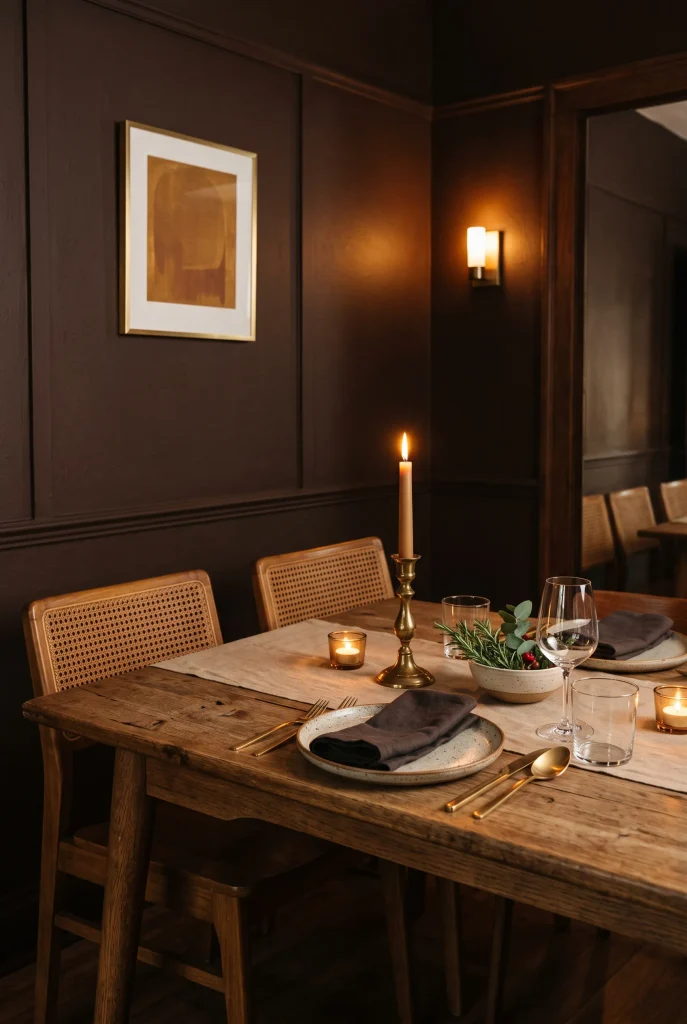
- Deep chocolate brown, dark plum, or charcoal paint creates a cozy, cocoon-like atmosphere in dining or sitting areas.
- Dark matte wall colors make warm light sources, brass accents, and natural wood furniture pop dramatically.
- Painting small spaces dark creates rich visual depth, turning awkward tight rooms into dramatic, intimate retreats.
Embracing deep, dark paint colors on walls creates a rich, cozy atmosphere that instantly wraps around you like a warm hug. Painting a dining room, den, or bedroom corner in shades of deep espresso brown, charcoal, or dark forest green establishes an intimate mood perfect for unwinding. That’s why many designers recommend matte finishes for dark walls, as they absorb light and reduce harsh reflections. The deep backdrop allows natural wood grain, warm candlelight, and polished brass fixtures to shine with striking contrast, transforming plain rooms into dramatic, cozy sanctuaries.
Balancing a dark accent wall requires thoughtful lighting and contrasting light-toned furnishings to prevent the space from feeling heavy. Pair dark walls with pale cream seating, light wood furniture, and soft linen curtains to maintain visual balance across the room. I’ve noticed that dark colors in small spaces actually blur room boundaries, making tight corners feel deceptively deeper and more expansive. This bold painting choice creates a sophisticated, moody backdrop that elevates dinner parties and quiet evenings, giving your home a distinct, designer-led warmth that feels deeply inviting.
Conclusion
Transforming your living space into a soothing, personal sanctuary is an ongoing journey of small, intentional choices. By bringing in tactile fabrics, gentle lighting, and organic textures, you can easily implement these cozy home decor ideas to create a space that feels deeply welcoming. I’ve seen how simple adjustments like adding a textured throw or warm tabletop lighting can completely refresh a room’s energy. Pick two or three of your favorite design ideas from this guide to try in your own home this weekend. Be sure to save this post on Pinterest for future inspiration and share it with friends who love home styling!