21 Dining Room Ideas for a Beautiful and Welcoming Space
Introduction
Stepping into a dining space that feels both stylish and welcoming instantly changes how you experience your home. Whether you host weekend dinner parties or enjoy quiet morning coffees, finding the right dining room ideas can completely transform your daily routine. Many people struggle with spaces that feel cold, cramped, or plain. In my experience, creating an inviting eating area does not require a full renovation; simple visual upgrades, textured layers, and intentional lighting can do wonders. I’ve noticed that small, thoughtful tweaks often create the biggest impact. This guide offers practical inspiration to help you design a space you will love sharing.
Warm Wooden Accent Table

- Adds organic texture and warmth to chilly, monochrome eating areas.
- Creates a grounding focal point that naturally anchors surrounding decorative elements.
- Hides light surface scuffs far better than painted or polished furniture.
- Works seamlessly across modern minimalist, rustic farmhouse, and contemporary aesthetics.
- Encourages a relaxed, welcoming atmosphere for long family gatherings.
Bringing natural timber into your eating area immediately shifts the entire mood of a home. In my experience, solid wood surfaces offer a tactile grounding presence that synthetic materials simply cannot replicate. The organic grain patterns introduce subtle visual interest without overwhelming existing decor. When paired with soft upholstered seating, a sturdy timber surface strikes the ideal balance between functional daily durability and elevated design aesthetics. It transforms routine meals into grounded experiences, making the space feel instantly lived-in, cozy, and thoughtfully crafted. This timeless choice seamlessly bridges traditional charm with contemporary residential styling effortlessly.
Investing in high-quality timber furniture significantly elevates the architectural character of your interior environment. I’ve noticed that wood tones naturally soften sharp room angles while reflecting ambient light in a gentle, diffused manner. Rather than feeling overly formal or rigid, a beautiful table setup invites guests to relax and stay longer after dinner ends. To maintain visual balance, consider pairing deeper walnut or oak finishes with lighter floor coverings or pale walls. This simple contrast prevents the room from feeling heavy while ensuring your primary gathering spot remains an attractive, central highlight of your home.
Statement Pendant Lighting
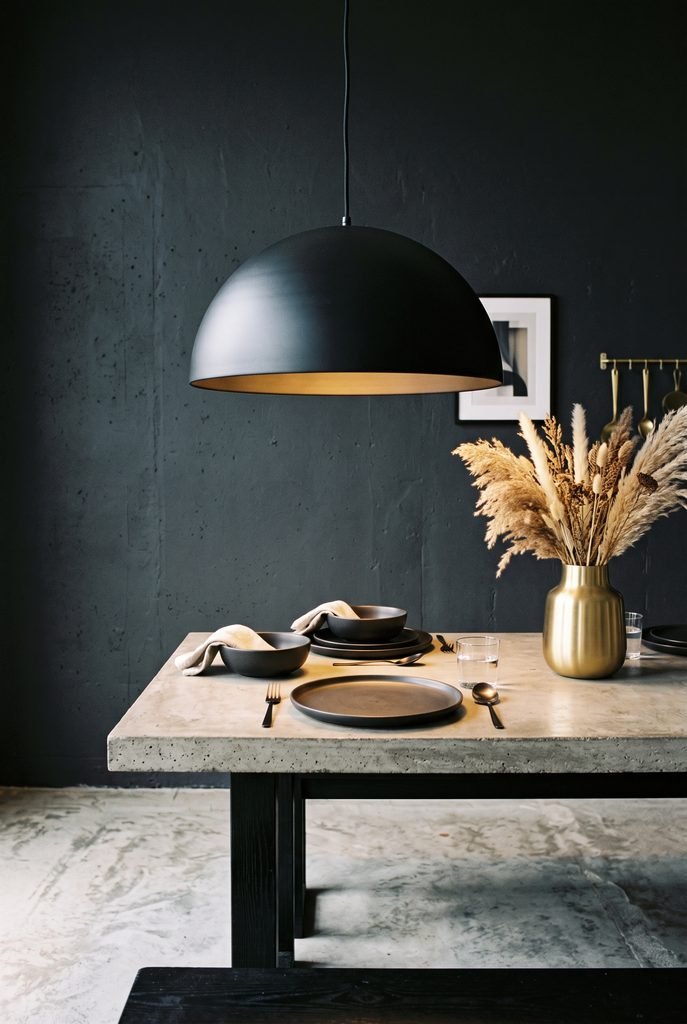
- Casts a cozy downlight that defines the main eating visual zone.
- Serves as an eye-catching architectural centerpiece even when turned off.
- Fixes low ceiling monotony by drawing visual focus downward over tables.
- Enhances food presentation through soft, warm, flattering ambient illumination.
- Allows easy intensity control when paired with a simple modern dimmer.
Illumination plays a decisive role in defining how a room actually feels during evening gatherings. Installing an eye-catching overhead light fixture instantly anchors the entire room, drawing the eye inward toward the central table. That’s why many designers recommend choosing a fixture that spans roughly one-third the width of your dining surface for optimal proportions. A well-placed pendant creates an intimate, pool-of-light effect that visually separates the eating zone from adjacent open-concept living spaces. It elevates everyday meals by adding dramatic flare, geometric contrast, and warm ambiance without taking up valuable floor real estate.
Selecting proper lighting fixtures requires balancing aesthetic impact with day-to-day functionality. In my experience, hanging a sculptural pendant light roughly thirty inches above the tabletop achieves the ideal equilibrium between clear sightlines and striking proportions. The focused downlight highlights your favorite tableware settings, while dimmable bulbs allow seamless transitions from bright morning breakfasts to relaxed evening dinner parties. By treating your lighting as functional artwork, you effortlessly introduce personality and modern sophisticated flair to the space. This simple upgrade fixes generic ceiling light fixtures while completely refreshing your home’s central hosting environment.
Layered Textured Rugs

- Anchors table setups cleanly within open-concept living and kitchen layouts.
- Reduces sharp echoing audio reflections across rooms with hard flooring.
- Adds comforting softness underfoot during longer social and family dinners.
- Protects underlying hardwood floors from heavy chair scrapes and scratches.
- Introduces subtle neutral contrast beneath plain dark wooden table legs.
Placing a textured area rug underneath your table arrangement instantly defines the room while introducing crucial tactile softness. Flat-weave options or low-pile natural fibers like jute work exceptionally well because they allow chair legs to slide effortlessly without getting caught. A properly sized rug should extend at least twenty-four inches beyond all sides of the table edge. This prevents chair legs from catching on the border when guests push back after eating. The layered textiles absorb harsh ambient sound echoes, making conversation feel significantly cozier, warmer, and far more inviting for everyone seated together.
Selecting the right textile foundation transforms cold tile or wooden floors into a cohesive visual retreat. I’ve seen this work well in many homes where large open-concept floor plans feel fragmented or sterile. A textured floor covering acts as a unifying anchor, tying together the furniture above it while adding essential warmth underfoot. Choosing stain-resistant or easily cleanable natural fibers ensures your floor layout stays fresh despite everyday spills and heavy foot traffic. It provides an approachable layout foundation that balances practical durability with chic, Pinterest-worthy cozy home styling effortlessly.
Statement Accent Wall

- Creates a striking visual backdrop that instantly draws attention upon entering.
- Adds vertical architectural interest to flat, characterless, or plain painted rooms.
- Defines the dining area cleanly without using physical dividers or screens.
- Complements both light and dark furniture through bold, grounded color contrast.
- Makes compact dining spaces feel deeper and more intentionally styled.
Transforming a single backdrop wall completely redefines the visual energy of your dining space. I’ve noticed that applying a rich coat of paint or subtle wooden slat paneling immediately creates a focal point that grounds the entire room layout. Rather than overwhelming all four walls with intense color, focusing on a single surface behind your table creates an inviting layer of depth. It allows light-colored furniture and simple decor accents to stand out with crisp clarity. This deliberate contrast transforms basic dining spaces into memorable, picture-perfect settings that feel expertly curated and full of character.
Adding architectural depth to a room doesn’t require massive structural remodeling or overly complex installations. In my experience, rich saturated tones like deep olive, navy, or charcoal create a cozy, intimate mood that makes dinner parties feel far more special. The dark backdrop absorbs harsh reflections, creating a calm visual environment where tabletop decor really shines. To maintain balance, pair dark accent surfaces with lighter hardwood flooring, warm natural textiles, and soft lighting fixtures. This simple design move effortlessly elevates ordinary dining spaces while giving your home a polished, modern look.
Upholstered Banquette Seating
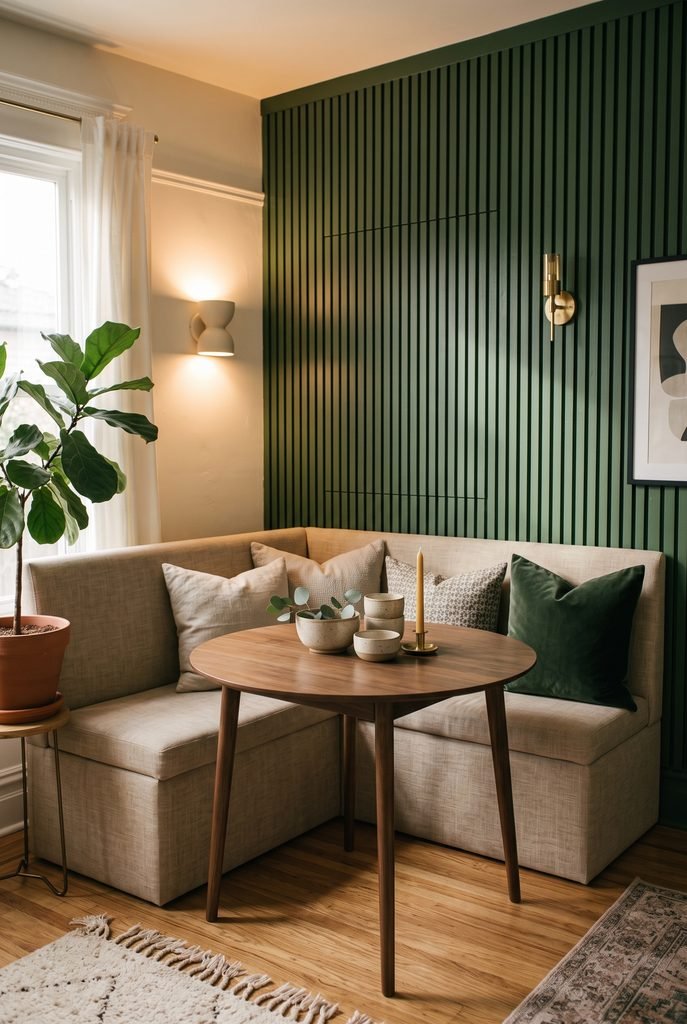
- Maximizes seating capacity in compact dining nooks and small corner spaces.
- Brings a luxurious, custom built-in aesthetic to everyday residential eating areas.
- Encourages long, comfortable conversations with supportive back padding and cushions.
- Eliminates extra chair clutter for a cleaner, more streamlined floor plan layout.
- Offers optional hidden storage beneath lift-up bench seats for extra linens.
Integrating built-in bench seating introduces an incredibly cozy, restaurant-inspired feel directly into your home. A tailored banquette fits neatly into corners or along flat walls, making efficient use of floor space that traditional chairs often waste. The plush upholstered cushions invite family members to linger over breakfast or enjoy relaxed weekend dinners together. That’s why many designers recommend banquettes for smaller homes, as they comfortably seat more people within a compact footprint. It creates a warm, welcoming gathering spot that combines daily functional comfort with stylish, space-saving design effortlessly.
Choosing custom or modular bench seating transforms tricky architectural corners into functional, visually appealing highlights. I’ve seen this work well in many homes where tight traffic paths make traditional chair arrangements feel cramped or cluttered. Opting for high-performance, stain-resistant fabrics ensures the upholstered bench withstands daily mealtime spills without losing its refined appeal. You can easily update the look seasonally by swapping out soft throw pillows and textured blankets. This clever arrangement optimizes floor space while creating a comfortable, stylish eating area that family and guests will naturally gravitate toward daily.
Minimalist Open Shelving
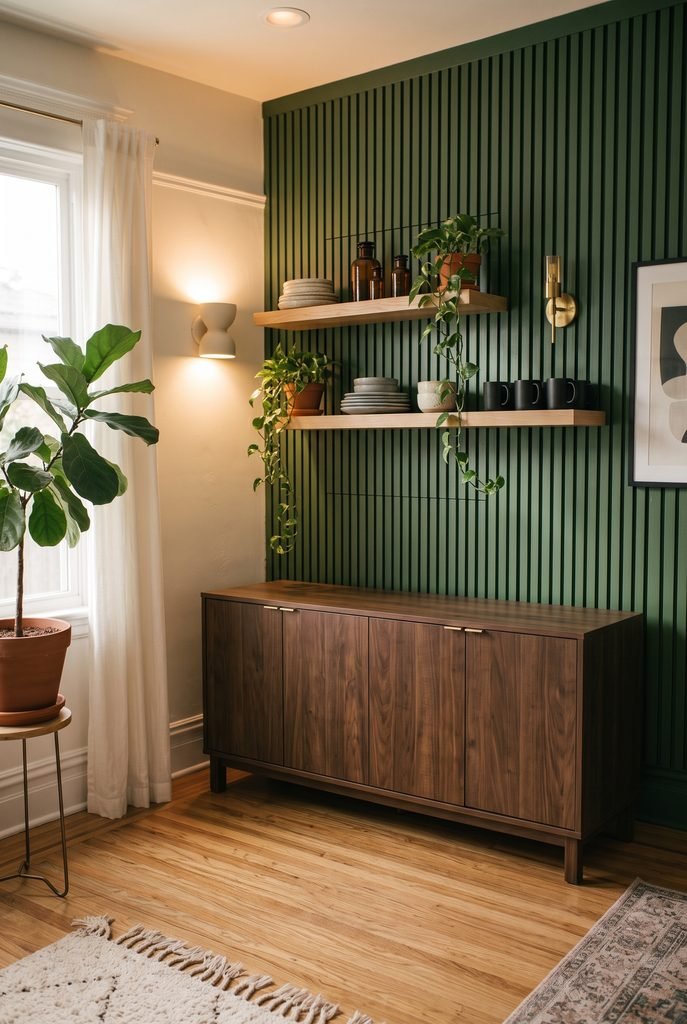
- Displays personal ceramics, glassware, and decor items in an organized fashion.
- Replaces bulky hutch cabinets to keep smaller dining rooms feeling airy.
- Keeps everyday tableware easily accessible while adding subtle personality to walls.
- Allows effortless seasonal decor updates without changing major room furniture.
- Breaks up empty wall space with functional, visually lightweight storage solutions.
Floating shelves offer an elegant way to display functional tableware while introducing personal style to your space. By replacing heavy, closed cabinetry with open floating ledges, you instantly open up the room and create a brighter, airier feel. Stacking handmade ceramics, clear glass carafes, and small trailing plants creates a lived-in look that reflects your unique taste. The key to successful shelf styling lies in maintaining negative space so display items look intentional rather than cluttered. It turns everyday dishes into beautiful wall art, adding warmth, texture, and practical storage seamlessly.
Curating an open display above your dining sideboard brings character and visual balance to surrounding walls. In my experience, grouping display items in odd numbers and mixing various material heights creates a naturally pleasing aesthetic. Combining matte ceramics, clear glassware, and warm wood accents adds subtle depth that draws the eye upward. Keeping the color palette muted and cohesive prevents the floating shelves from feeling busy or chaotic. This straightforward decor strategy provides an easy, flexible way to personalize your eating area while keeping your favorite tabletop accessories within easy reach daily.
Biophilic Indoor Plants
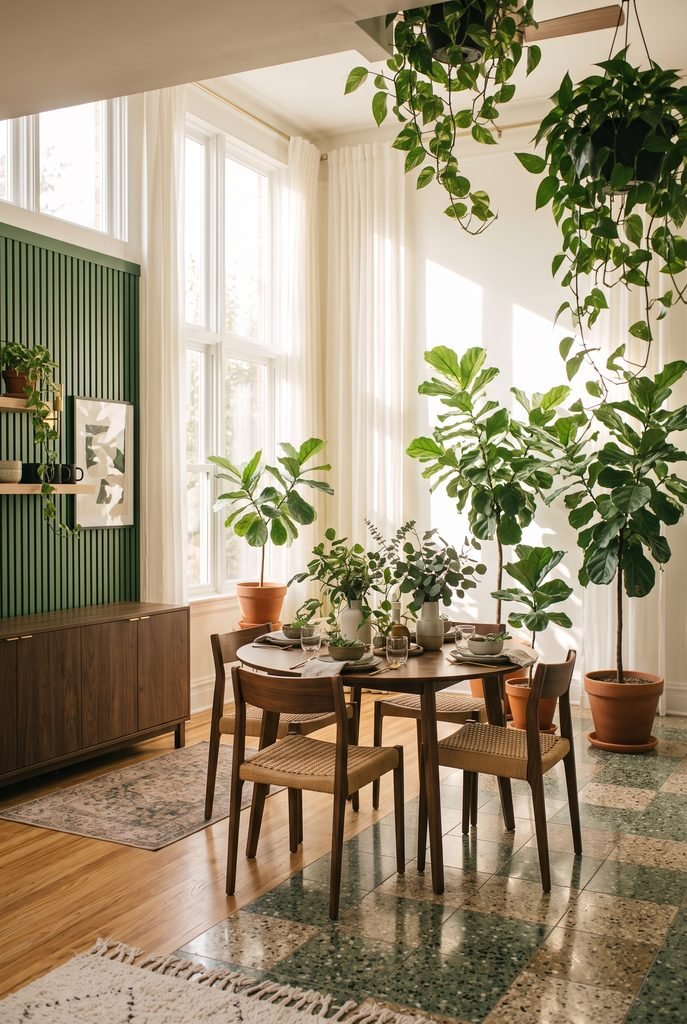
- Infuses organic color and fresh natural air quality into indoor dining zones.
- Softens hard furniture edges and sharp architectural lines with leafy textures.
- Fills awkward empty room corners effortlessly without adding heavy physical clutter.
- Connects interior dining spaces with nature for a relaxing, grounded atmosphere.
- Offers adaptable styling options using varied plant heights, pots, and leafy species.
Bringing live greenery into your eating environment instantly revitalizes the atmosphere with vibrant color and energy. I’ve noticed that plant leaves introduce organic shapes that effortlessly soften sharp table edges, square walls, and hard wooden chairs. Positioning a tall leafy plant in an unused corner creates an inviting layer of height that draws the eye upward. The natural green tones act as a versatile neutral palette, pairing beautifully with warm wood finishes, dark metals, and crisp white backdrops. It transforms quiet interior dining spaces into fresh, vibrant environments that feel healthy, calm, and naturally welcoming.
Incorporating natural botanical elements into your room layout enhances emotional well-being while improving overall room aesthetics. In my experience, pairing statement floor plants with small tabletop vessels containing fresh olive branches or eucalyptus creates a cohesive, layered look. Choose low-maintenance species like monstera or snake plants if your eating area receives moderate light and requires low-effort care routine. The presence of natural flora reduces ambient daily stress, encouraging family members and dinner guests to stay relaxed. This simple, affordable decor choice brings natural outdoor beauty inside while effortlessly refreshing your central gathering area.
Eclectic Mixed Dining Chairs
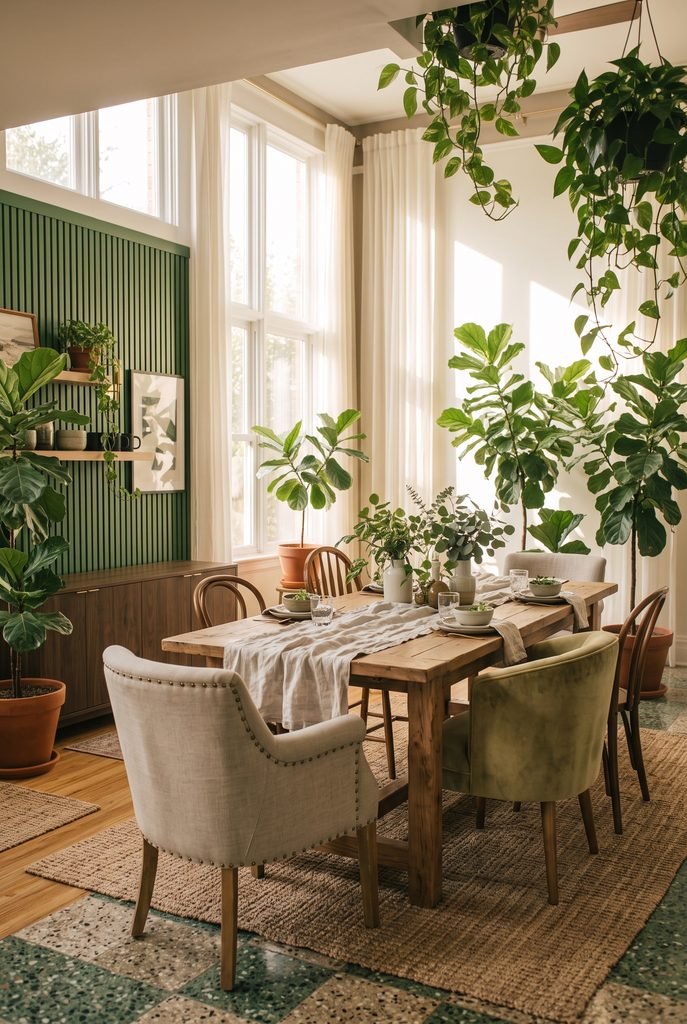
- Breaks away from rigid furniture sets for a relaxed, custom-designed interior feel.
- Allows flexible additions of vintage, thrifted, or heirloom seating over time.
- Adds unique visual diversity through contrasting seat shapes, textures, and heights.
- Creates an approachable, casual environment that instantly puts dinner guests at ease.
- Solves matching seating shortages efficiently when hosting larger family gatherings and dinners.
Mixing different chair styles around a central table introduces a relaxed, designer-curated charm to your home. Rather than buying a rigid matching set, combining diverse seating options adds distinct personality and visual rhythm to the room layout. You can anchor the look by keeping one common element consistent, such as uniform wood tones, matching seat cushion fabrics, or a shared color palette. That’s why many designers recommend placing two distinct armchairs at the head of the table while using simpler side chairs along the lengths. This creative approach feels naturally collected over time.
Designing an eclectic seating arrangement allows you to showcase individual style while maintaining functional room harmony. In my experience, pairing structured mid-century modern seats with soft upholstered head chairs creates a delightful visual dialogue that feels intentional, not messy. The varied seat silhouettes keep the eye moving across the room, preventing the furniture layout from looking heavy or predictable. Ensure all chair seats maintain similar height levels from the floor for comfortable dining ergonomics. This clever styling method transforms basic dining setups into memorable, character-rich spaces full of casual grace and warmth.
Overframed Gallery Wall
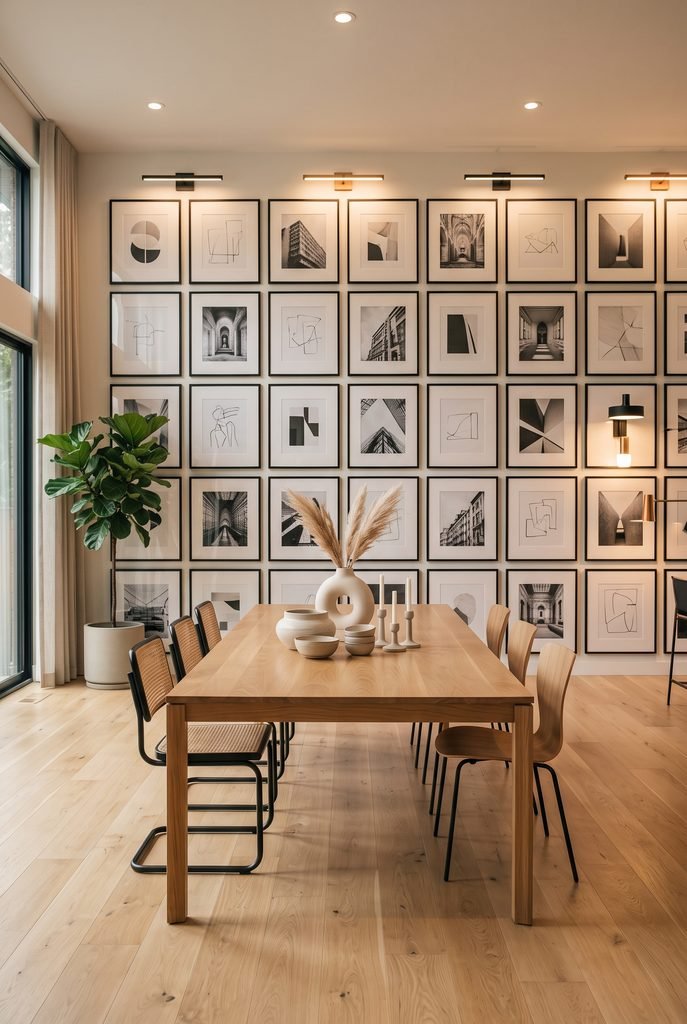
- Transforms large, blank backdrop walls into an engaging visual artistic feature.
- Displays favorite family memories, art prints, or travel photography in style.
- Establishes a clear artistic theme that ties room accent colors together naturally.
- Fills vertical wall height effectively above sideboards, buffets, or low bench seating.
- Offers simple customization through easy frame updates and rotating seasonal art pieces.
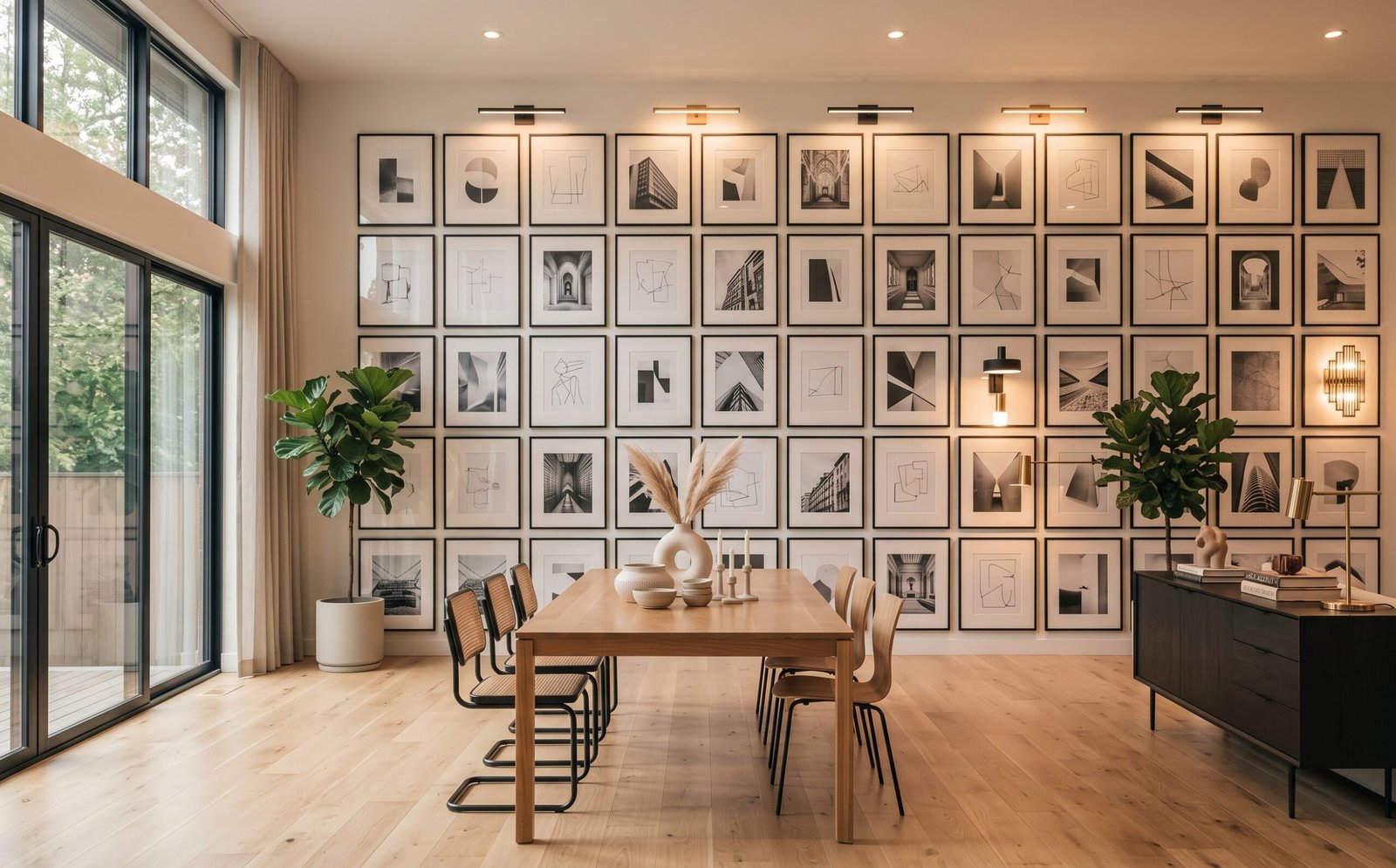
Curating a tailored gallery wall behind your seating area creates a captivating focal point that sparks natural conversation. Arranging framed art prints, personal black-and-white photos, or abstract sketches adds immediate emotional warmth and artistic character to empty room surfaces. Using matching frame finishes maintains a clean, sophisticated look, while varied frame sizes offer a casual, gallery-inspired feel. Position the lowest frames several inches above chair backs or sideboards to prevent accidental bumps. This personal decor detail transforms plain walls into rich visual backdrops that reflect your life, taste, and personal memories.
Building a well-proportioned visual gallery requires balancing artwork scale with the surrounding architectural room features. I’ve seen this work well in many homes where large walls feel vast, empty, or difficult to decorate with single pieces. Spacing frames consistently two to three inches apart ensures the gallery looks cohesive rather than scattered or haphazard across the surface. Selecting artwork that echoes existing interior colors harmonizes the entire room scheme effortless. This classic decor choice elevates simple walls into dynamic visual art displays, turning your main mealtime space into a sophisticated, personalized retreat.
Sculptural Table Centerpiece
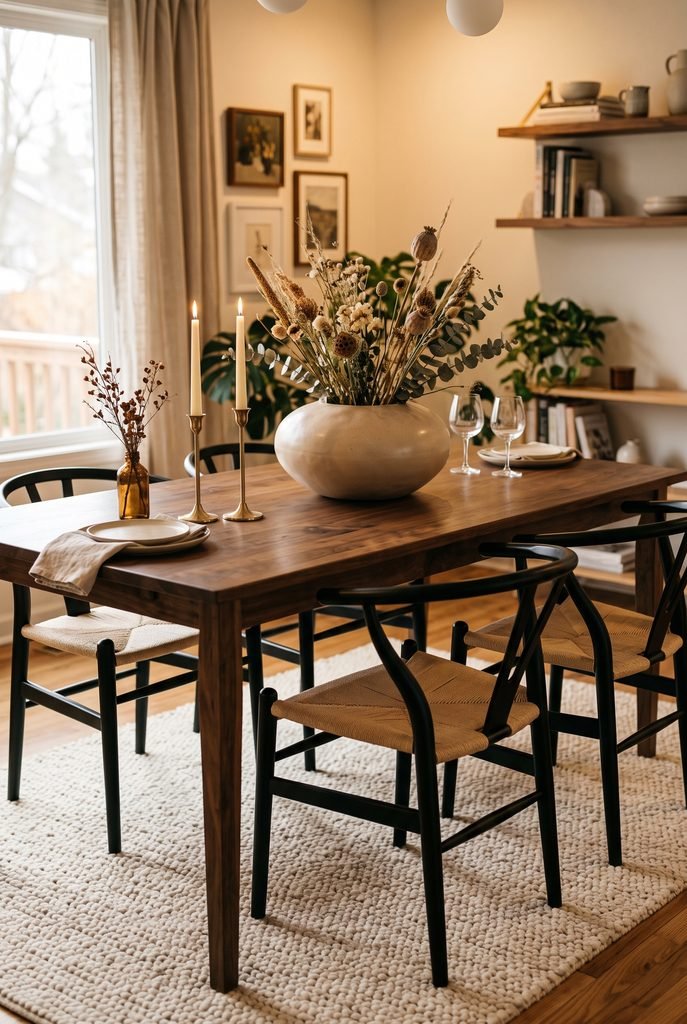
- Creates an instant visual focal point that anchors the entire table surface cleanly.
- Adds artful sophistication without cluttering or restricting everyday mealtime functionality.
- Allows quick seasonal decor updates by simply swapping internal floral or decorative accents.
- Balances horizontal table proportions with vertical sculptural interest and varying heights.
- Elevates simple weekday dining setups into refined, thoughtfully designed interior spaces.
Adding a sculptural decorative element to your table surface instantly elevates the entire room’s design profile. I’ve noticed that selecting a single statement ceramic vessel or organic stone bowl creates a grounding anchor point that looks complete even when the table is not set for dinner. Rather than crowding the surface with small, scattered items, one substantial piece maintains an open, uncluttered feel while contributing rich texture and artistic form. This simple styling choice ensures your central eating area continuously looks deliberate, beautiful, and ready for hosting family and friends.
Balancing table height and scale is essential when curating a decorative centerpiece for daily home living. In my experience, keeping centerpiece elements under twelve inches tall ensures clear eye contact and comfortable conversation across the table during shared meals. You can easily layer low decorative bowls with slender brass candleholders or organic dried branches to add subtle vertical rhythm. Choosing tactile materials like matte terracotta, unglazed stoneware, or smooth travertine introduces earthy elegance that softens straight furniture lines. This effortless styling move transforms flat tabletop surfaces into sophisticated, artistic highlights naturally.
Dramatic Oversized Mirror
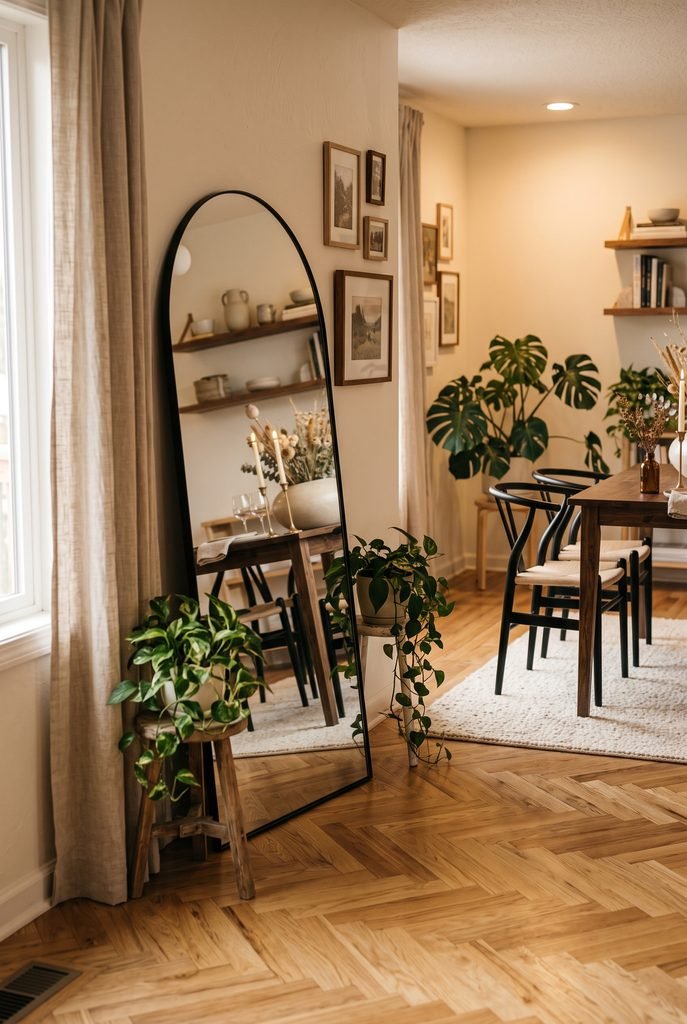
- Reflects natural window light deeply into dark or narrow room layouts effortlessly.
- Creates a striking optical illusion of expanded space and increased architectural depth.
- Serves as an elegant architectural backdrop behind main seating or sideboards.
- Captures and multiplies view angles of decorative pendant lighting and green plants.
- Fills tall blank wall spaces cleanly without requiring multiple framed art pieces.
Positioning an oversized mirror within your eating space is a classic design strategy for instantly amplifying light and space. I’ve seen this work well in many homes where limited window openings or tight square footage make the room feel slightly restricted or dark. The expansive glass surface captures ambient light and bounces it across the room, instantly creating a brighter, airier atmosphere. Leaning a tall arched or rectangular floor mirror against a focal wall adds structural grandeur while effortlessly enhancing the visual dimensions of your entire living area.
Selecting the right frame silhouette and placement transforms a simple reflection into a powerful design statement. That’s why many designers recommend placing mirrors perpendicular to windows to maximize incoming natural light without creating harsh glare across the dining table. The reflective glass brings surrounding outdoor views, glowing light fixtures, and artful tableware into motion, doubling the visual impact of your decor choices. Opting for slender metallic or rustic wood frames helps integrate the mirror seamlessly with existing furniture finishes. This clever addition opens up small layouts effortlessly while introducing grand elegance.
Warm Mood Sconce Lighting

- Provides intimate, indirect lighting that replaces harsh overhead fixtures during evening dinners.
- Adds vertical architectural interest and warm metal accents to plain, flat walls.
- Creates a cozy, restaurant-inspired ambiance perfect for evening hosting and relaxation.
- Frees up valuable surface space on buffets, sideboards, and tabletop surfaces.
- Operates on independent wall switches or dimmers to adjust atmospheric room moods easily.
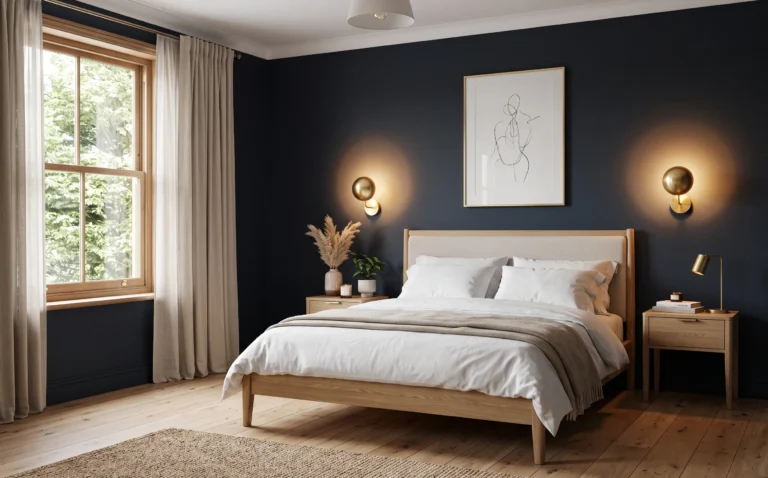
Wall-mounted sconce lights introduce a layer of warm ambient illumination that completely redefines the mood during evening gatherings. Mounting fixtures at eye level casts a soft, flattering glow across vertical wall surfaces, eliminating the cold shadows often created by single ceiling fixtures. In my experience, pairing sconces with dimmable warm-tone bulbs allows you to shift the room’s energy seamlessly from bright daytime activities to intimate dinner parties. This dedicated accent lighting layer transforms simple eating spaces into inviting, high-end environments that encourage guests to relax and stay longer.
Integrating accent wall lighting elevates the architectural depth of your home while enhancing functional versatility. Positioned on either side of a large piece of wall art, a mirror, or a built-in sideboard, sconces create pleasing symmetry that grounds the entire wall design. Choosing fixtures with brushed metal finishes like antique brass or matte black adds subtle jewelry-like details to your overall decor scheme. This targeted lighting layer highlights surrounding wall textures while keeping surface areas clutter-free, offering an ideal balance of visual style and practical mood-setting warmth.
Sleek Marble Top Table
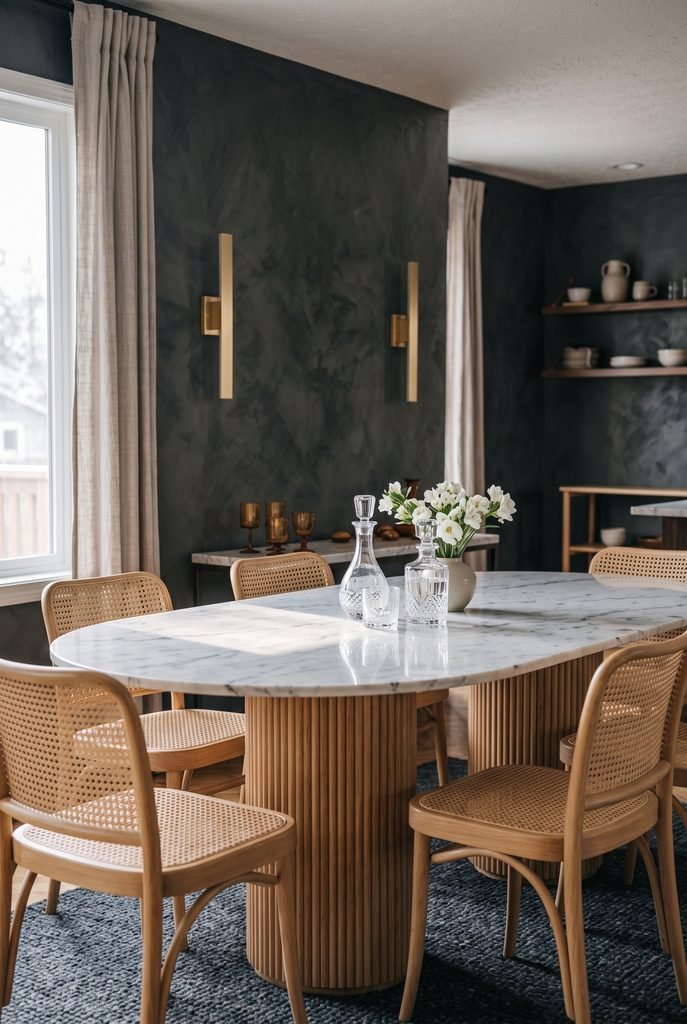
- Brings timeless sophistication and polished stone texture to modern home interiors.
- Offers an exceptionally durable, wipeable surface perfect for daily family meals.
- Brightens darker rooms naturally through its light color and subtly reflective surface.
- Pairs effortlessly with diverse chair materials, including wood, leather, and woven cane.
- Serves as a stunning, high-end centerpiece that instantly raises overall room value.
Choosing a stone table surface introduces an undeniable sense of luxury and structural permanence to your home. In my experience, white or neutral marble immediately brightens up an eating area by reflecting ambient light across its cool, smooth plane. The natural veining within the stone ensures that every table remains a completely unique work of art. When balanced with warm wooden chair legs or soft woven textiles, the cool marble avoids feeling overly sterile, striking a comfortable middle ground between refined high-end design and relaxed daily functionality.
Investing in stone furniture transforms routine meals into elevated experiences while offering incredible longevity. I’ve noticed that oval or round marble tops work exceptionally well in square rooms, softening harsh angles and improving overall room circulation. Sealed marble surfaces handle everyday wear effortlessly when cared for properly, maintaining their smooth elegance for decades. Pairing a bold stone top with earthy decorative ceramics and fresh greenery creates a captivating visual contrast that feels intentional, grounded, and undeniably timeless in any modern home setting.
Warm Built-in Wine Display

- Optimizes unused alcoves or recessed wall spaces into functional luxury features.
- Adds warm, atmospheric ambient backlighting that elevates evening hosting environments.
- Keeps favorite entertaining glassware and vintage bottles organized and easily reachable.
- Creates a sophisticated, high-end restaurant aesthetic directly within your home interior.
- Serves as an impressive conversation starter during family dinners and social gatherings.
Integrating custom wine storage into your layout transforms an underutilized wall nook into a striking architectural highlight. I’ve seen this work well in many homes where empty alcoves feel disconnected from the main eating zone. Adding tailor-made wooden shelving equipped with subtle LED accent lighting turns your bottle collection into an eye-catching visual display. The soft illuminated glow adds rich depth to surrounding walls, creating an intimate, upscale environment that makes hosting guests feel effortlessly luxurious and deeply engaging.
Designing a dedicated bar or wine feature improves both room functionality and overall property appeal. In my experience, incorporating a small counter surface beneath the vertical wine rack provides a practical space for decanting drinks or displaying crystal stemware. Using rich wood finishes like dark walnut or stained oak adds a grounded, cozy mood that complements evening lighting. This deliberate design move maximizes wall space while giving your home a polished, bespoke feel that seamlessly balances practical storage with sophisticated entertaining style.
Character-Rich Vintage Sideboard

- Provides substantial hidden storage for extra table linens, serving platters, and candles.
- Introduces authentic historic charm, rich patina, and unique character to modern rooms.
- Offers a wide horizontal top surface ideal for seasonal styling and buffet-style serving.
- Softens mass-produced furniture layouts with one-of-a-kind vintage craftsmanship details.
- Balances visual room proportions by providing a sturdy ground anchor below wall art.
Placing a vintage sideboard along a main wall introduces authentic warmth and historic depth that flat modern furniture cannot recreate. The aged wood patinas, unique brass hardware, and thoughtful craftsmanship details give the room a lived-in, curated feel. Beyond its obvious visual charm, a credenza offers essential storage for bulky serving platters, festive table linens, and extra tableware. That’s why many designers recommend integrating at least one vintage piece to break up the monotony of contemporary, matching furniture sets effortlessly.
Styling the top surface of a wooden buffet allows you to express your personal aesthetic while keeping items organized. In my experience, layering a tall ceramic lamp on one end with stacked art books and a small tray on the other creates an asymmetrical, balanced look. This surface also serves as a highly practical buffet station during large family gatherings, keeping main dining tables clear for comfortably seated guests. It is a functional, character-rich addition that grounds your space with timeless elegance.
Cozy Window Seat Nook

- Converts underutilized window alcoves into charming, space-saving breakfast nooks.
- Floods the primary seating area with an abundance of uplifting, natural daylight.
- Combines comfortable bench seating with smart, hidden under-seat storage drawers.
- Frame sunny outdoor backyard views like a living piece of framed artwork.
- Softens formal eating spaces with relaxed, inviting residential window seating.
Incorporating a tailored window bench transforms underused architectural nooks into the most sought-after seat in your home. Sitting right against the glass allows family members to enjoy glowing morning sunlight while sipping coffee or sharing breakfast. In my experience, built-in window seating works wonders in tight floor plans because it eliminates the physical clearance space traditional chair backs require. Pairing comfortable custom cushions with decorative throw pillows introduces plush textile layers that make daily meals feel cozy, relaxed, and deeply comforting for everyone at the table.
Designing a functional window nook allows you to maximize both visual charm and practical storage space. I’ve noticed that installing deep slide-out drawers beneath the bench seat provides discrete storage for off-season table linens, game boards, or extra kitchen appliances. Using durable, stain-resistant outdoor-grade upholstery fabrics ensures the sunny seat resists fading and handles daily spills with ease. This clever architectural feature maximizes floor square footage while creating a light-filled gathering spot that adds undeniable character, value, and warmth to your home layout.
Bold Monochromatic Scheme
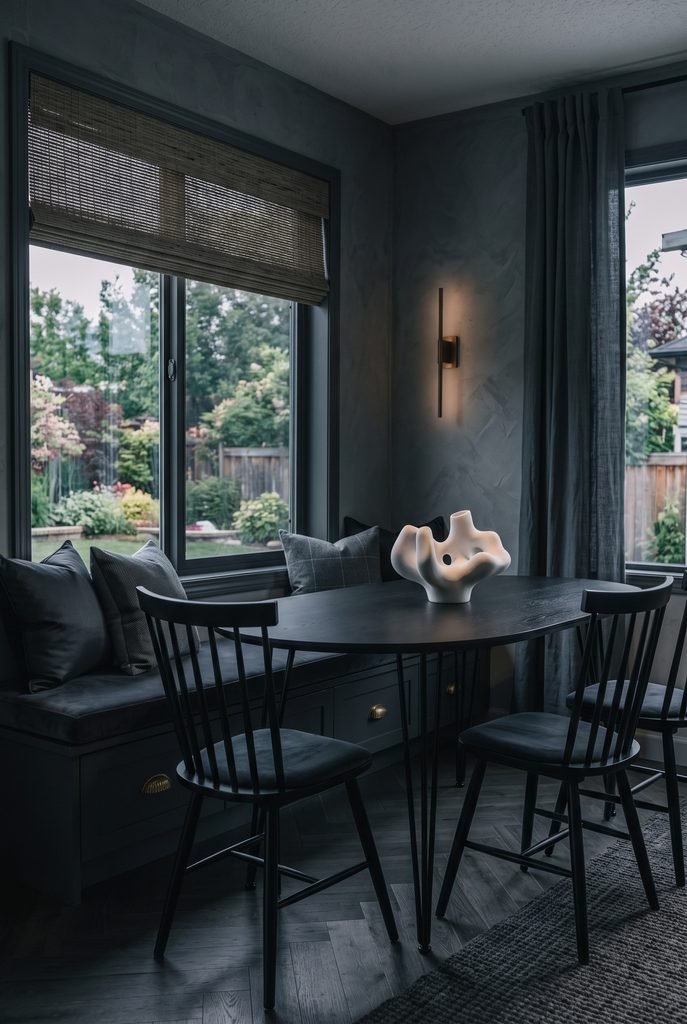
- Creates a rich, moody interior ambiance that feels instantly dramatic and high-end.
- Highlights subtle textural variations across stone, wood, velvet, and plaster finishes.
- Unifies mismatched furniture shapes under a singular, cohesive color family.
- Serves as an unforgettable, immersive backdrop for evening hosting and candlelit dinners.
- Simplifies overall decor styling decisions by focusing strictly on tone-on-tone textures.
Embracing a tonal monochromatic palette creates a sleek, high-design atmosphere that makes a bold interior statement. Rather than relying on multiple contrasting colors, using varying shades of a single hue allows architectural lines and rich material textures to take center stage. Dark charcoal, warm taupe, or deep olive monochromatic schemes feel wrap-around and cozy, making dinner gatherings feel exclusive and intimate. That’s why many designers recommend rich tonal styling for formal eating zones, as it creates a refined, gallery-like backdrop that elevates everyday home entertaining.
Mastering a single-color space relies on layering diverse visual textures to prevent the room from feeling flat or sterile. In my experience, combining matte painted walls with polished stone table surfaces, soft velvet chair upholstery, and rough woven rugs creates captivating depth within a focused color family. Introducing a single high-contrast element, like a bright white vase or warm brass light fixture, gives the eye a refreshing place to rest. This confident design strategy transforms standard room layouts into immersive, sophisticated sanctuaries full of modern personality.
Artistic Ceiling Treatment

- Draws the eye upward to highlight ceiling height and room architectural proportions.
- Adds unexpected warmth and visual detail to otherwise plain, ignored overhead surfaces.
- Defines the overhead footprint of table areas within open-concept residential layouts.
- Integrates ambient LED strip lighting and recessed fixtures cleanly into ceiling molding.
- Upgrades overall room value through custom, high-end interior carpentry details.
Treating the ceiling as a primary design surface completely elevates the overall architectural impact of your room. Often called the fifth wall, an overhead space styled with rich wooden beams, subtle wallpaper, or warm paint draws the eye upward immediately upon entering. In my experience, framing the area directly above your table visually anchors the floor layout below without needing extra physical room dividers. It introduces tailored craftsmanship that makes the space feel architecturally finished, cozy, and intentionally built from floor to ceiling.
Selecting the appropriate overhead accent depends on your ceiling height and overall interior style preferences. I’ve seen this work well in homes with high ceilings, where decorative wooden paneling or coffered beams add comforting proportions to large, echoey spaces. For lower ceilings, applying a warm coat of paint two shades darker than the walls creates a cozy, canopy-like mood that feels intimate during evening meals. This creative design move transforms ignored overhead space into a captivating visual feature that gives your home an expert, custom finish.
Tactile Cane Webbing
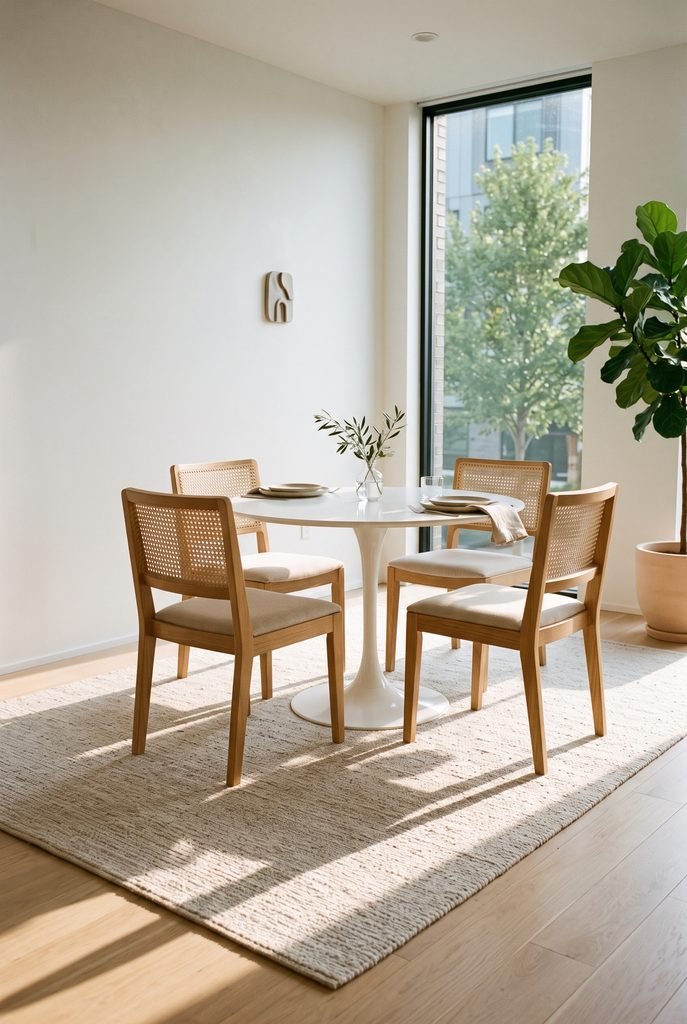
- Introduces airy, natural woven textures that lighten up heavy room layouts.
- Balances modern minimalist lines with nostalgic, mid-century craftsmanship details.
- Provides comfortable, breathable back support for long, relaxed weekend meals.
- Blends effortlessly with both light coastal and rich earthy interior palettes.
- Keeps visual sightlines clear in small rooms through its open-weave pattern.
Integrating cane furniture into your eating space introduces a delightful layer of natural texture and vintage nostalgia. The open, woven weave of cane webbing allows light and air to pass right through, preventing small dining rooms from feeling overly crowded or visually heavy. I’ve noticed that pairing lightweight cane backrests with smooth wooden or metal chair frames creates a harmonious balance between organic warmth and structured modern style. It’s an approachable design move that adds breezy, relaxed elegance to everyday family meals while keeping the atmosphere bright and inviting.
Choosing woven cane elements brings tactile interest to modern homes without relying on bright colors or busy patterns. In my experience, cane webbing chairs pair exceptionally well with sleek stone or smooth painted wooden tables, breaking up hard uniform surfaces with authentic craft texture. The natural flexibility of woven rattan offers surprisingly ergonomic back support during extended dinner conversations. Keeping the surrounding decor muted allows the intricate pattern of the cane to shine naturally. This timeless material choice effortlessly elevates simple dining setups with a fresh, airy, Pinterest-inspired aesthetic.
Warm Brass Fixtures

- Casts a gentle, warm reflective glow that softens crisp interior color schemes.
- Introduces subtle, jewelry-like metallic details that instantly elevate daily meal settings.
- Pairs beautifully with deep dark paints, natural wood grains, and cool marble surfaces.
- Resists fingerprints and smudges better than highly polished chrome or gold finishes.
- Ties together various lighting fixtures and hardware pieces into a cohesive visual theme.
Incorporating warm brass accents throughout your room layout adds an element of refined luxury that feels timeless rather than flashy. Brushed or antique brass finishes absorb light and emit a soft, golden warmth that instantly elevates the mood during evening dinners. In my experience, repeating subtle brass details across overhead light fixtures, cabinet pulls, and table accessories creates a cohesive visual thread that binds the room together. It provides a striking contrast against rich wood tones and dark paint colors, transforming simple spaces into sophisticated, polished retreats.
Mastering metallic accents relies on subtle placement rather than overpowering the space with excessive shine. That’s why many designers recommend opting for satin or brushed brass finishes over high-gloss chrome, as they feel more grounded and organic in residential interiors. The warm metallic tones catch dim evening candle light beautifully, adding a layer of romantic sparkle to dinner parties. Pairing warm brass hardware with natural linen textiles and matte ceramic decor prevents the space from looking overly formal. This simple finish upgrade gives your central gathering spot an expert, high-end feel effortlessly.
Symmetrical Double Buffets
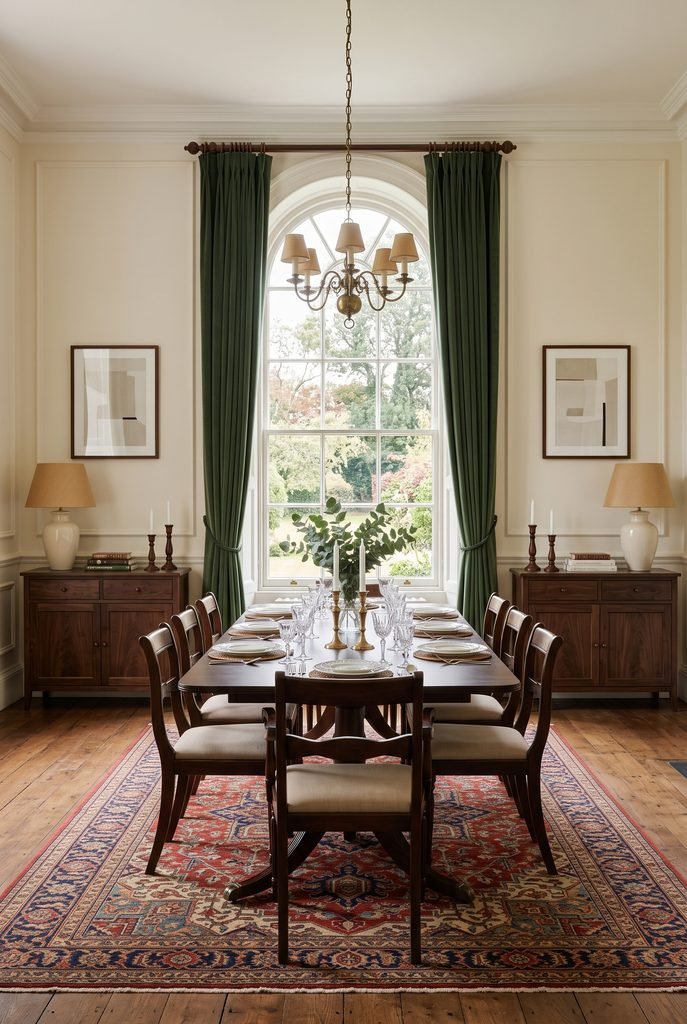
- Creates a sense of order, balance, and quiet grandeur in formal dining spaces.
- Doubles your storage capacity for seasonal dinnerware, glassware, and serving trays.
- Framing main windows or focal walls cleanly with balanced architectural proportions.
- Offers two distinct serving surfaces for hosting large holiday buffets and dinner parties.
- Anchors large walls effectively without needing one massive, bulky piece of furniture.
Designing a symmetrical layout with matching credenzas introduces an immediate sense of elegance, order, and architectural harmony to your home. Placing twin buffets along a primary focal wall visually balances the room, making open spaces feel grounded and thoughtfully planned. Beyond its formal aesthetic appeal, doubling up on credenzas provides extensive hidden storage space for large dinnerware collections, table linens, and entertaining essentials. It transforms plain perimeter walls into structured design features that elevate both daily family meals and grand holiday gatherings with ease.
Establishing structural balance in a large room helps eliminate visual chaos while enhancing functional entertaining flow. In my experience, styling twin sideboards with matching table lamps or identical art frames creates a satisfying visual rhythm that naturally draws the eye across the space. During large dinner parties, having two separate serving surfaces allows you to set up a dedicated beverage station on one side and a food buffet on the other, keeping the main table clear. This practical design strategy combines architectural elegance with incredible hosting convenience seamlessly.
Conclusion
Transforming your home should be an exciting and creative journey. By exploring these practical dining room ideas, you can easily craft a space that feels uniquely yours, warm, and endlessly welcoming. I’ve seen how small changes like these can completely transform a space, turning everyday meals into memorable moments with family and friends. Pick your favorite design tip, try it in your own home, and save this post on Pinterest so you can revisit these inspiring concepts whenever you need a refresh. Share this article with anyone ready to elevate their home style today!